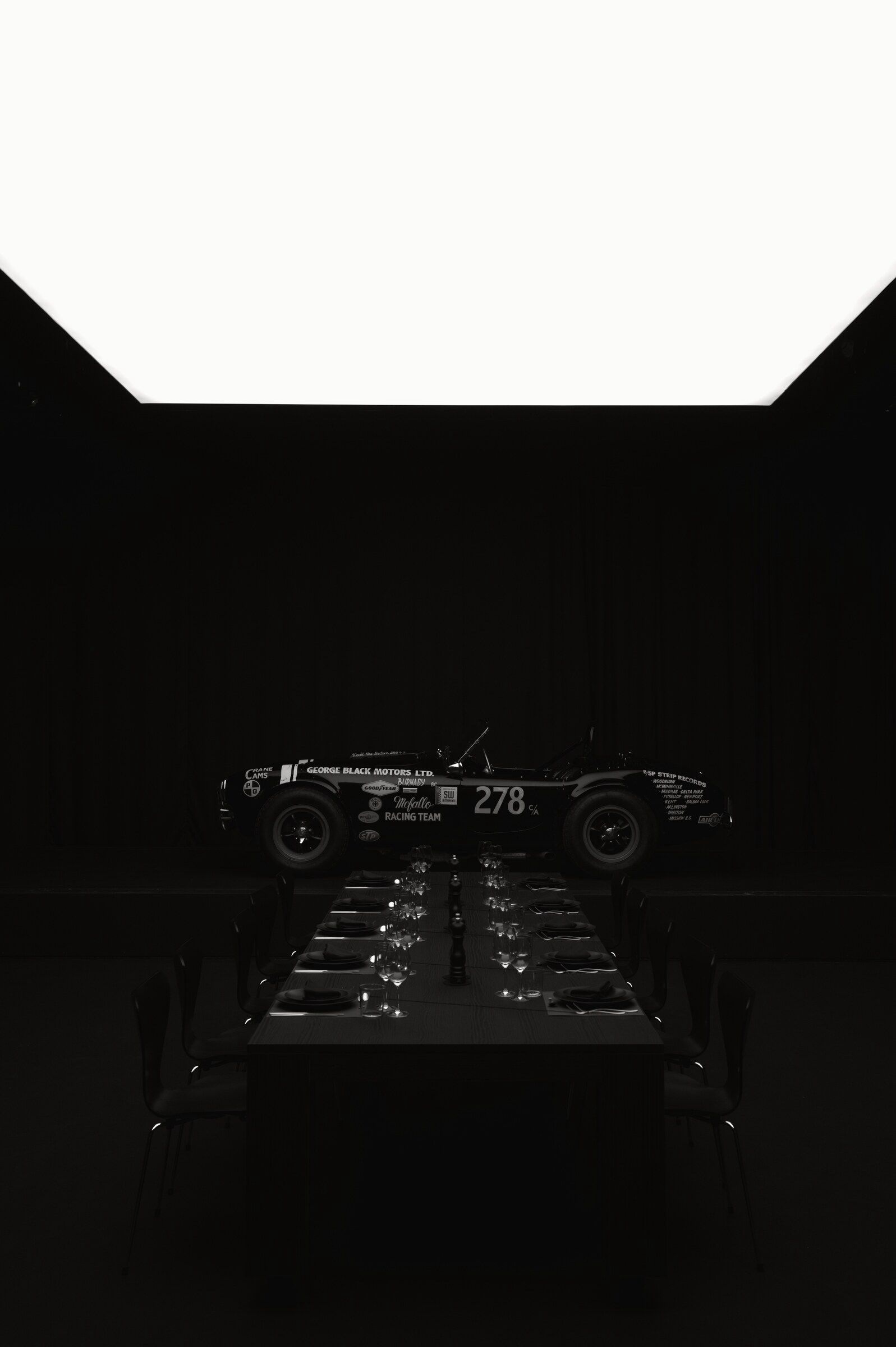
Some conversations need a smaller room.
Not because the subject is small, but because it deserves attention. Time. Quiet. The possibility to listen properly before answering.
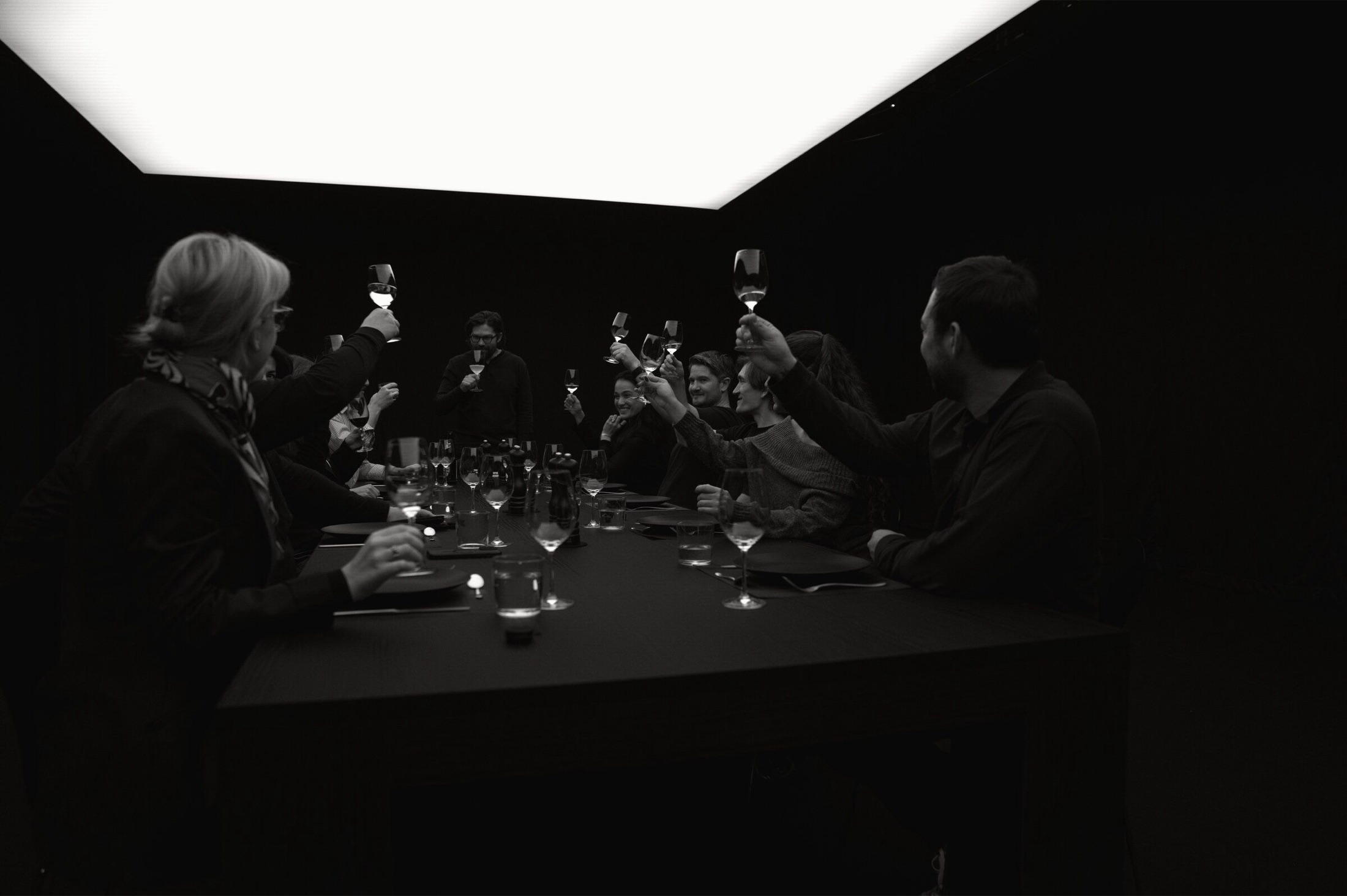
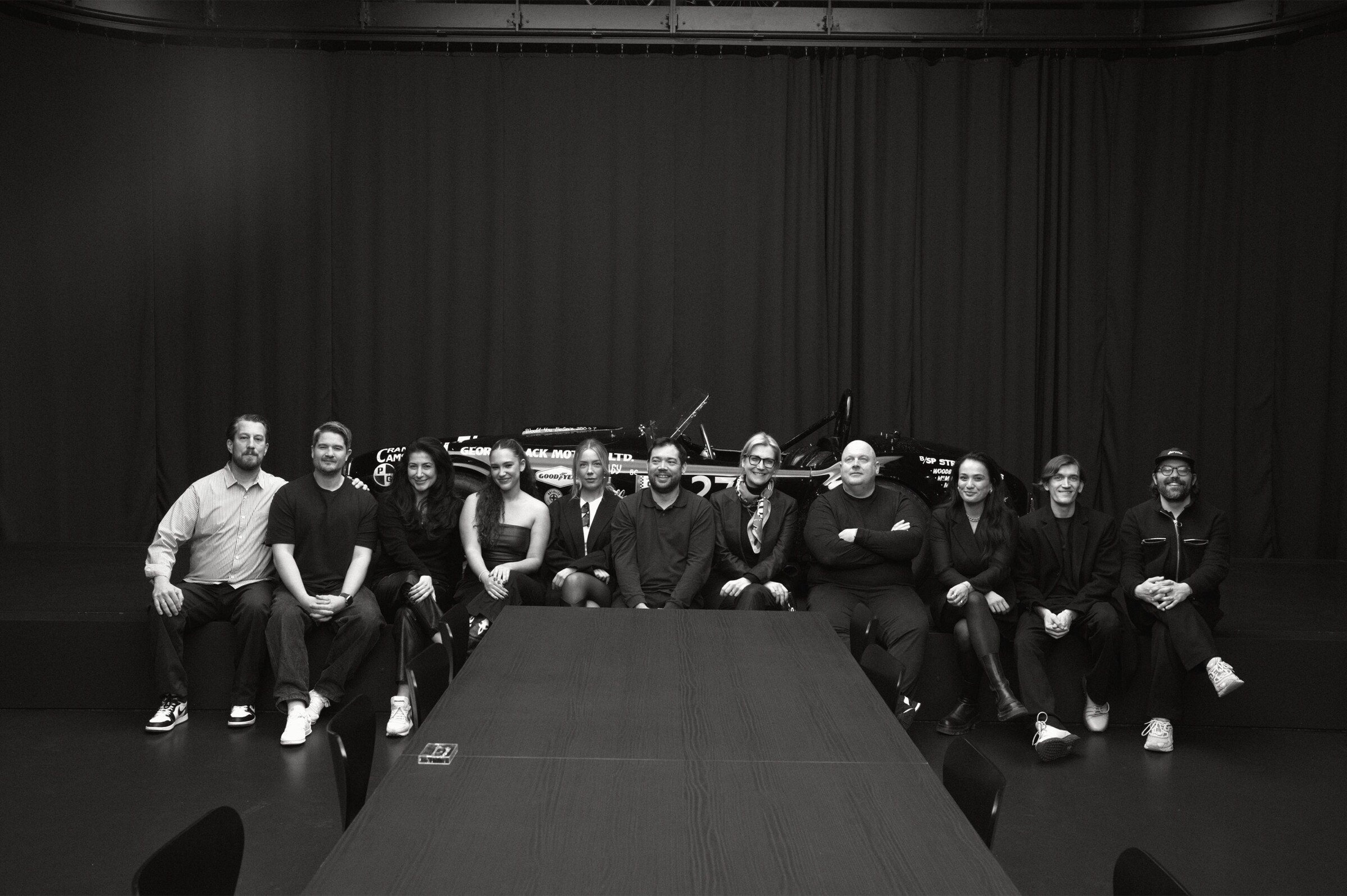
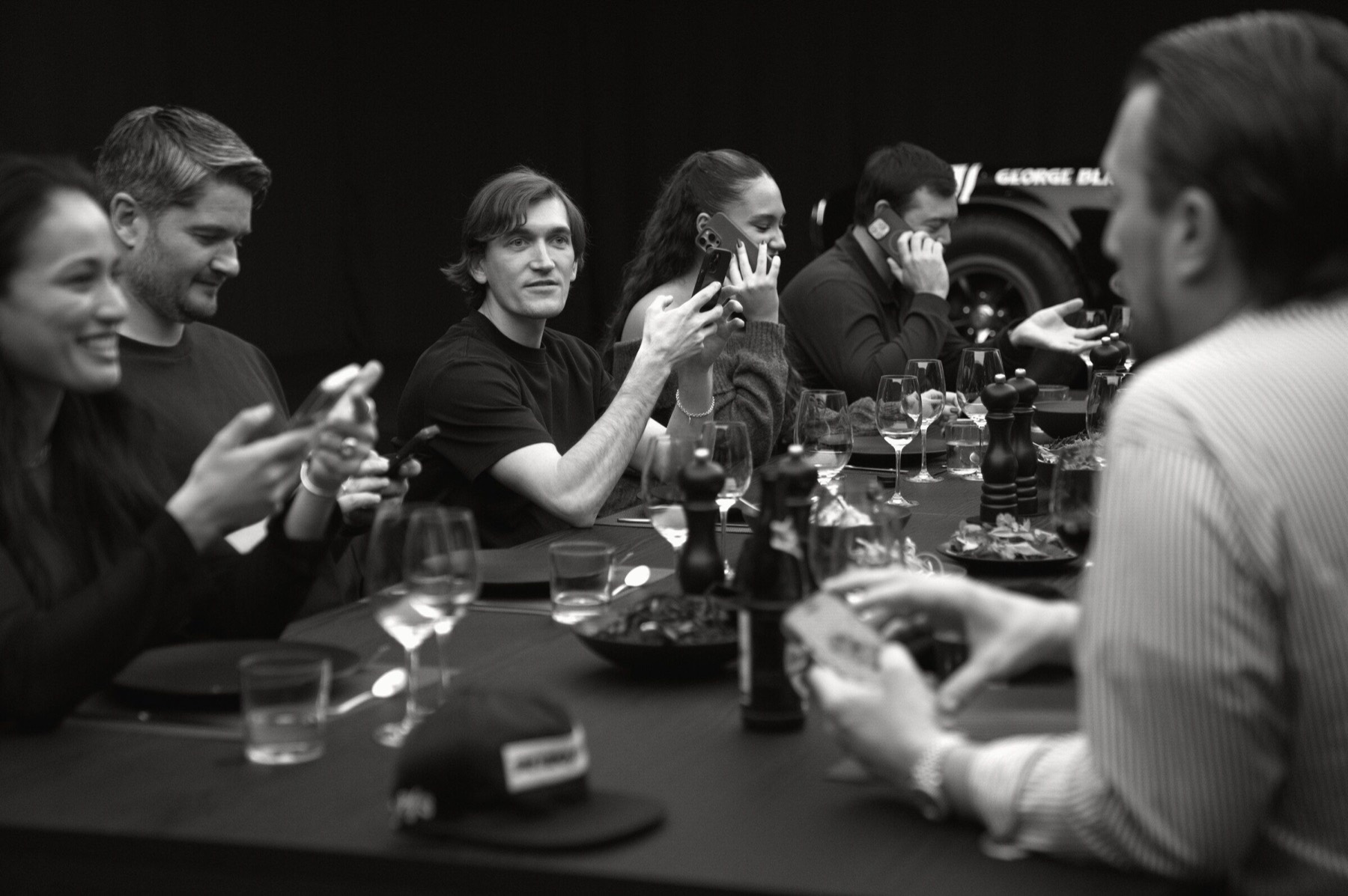
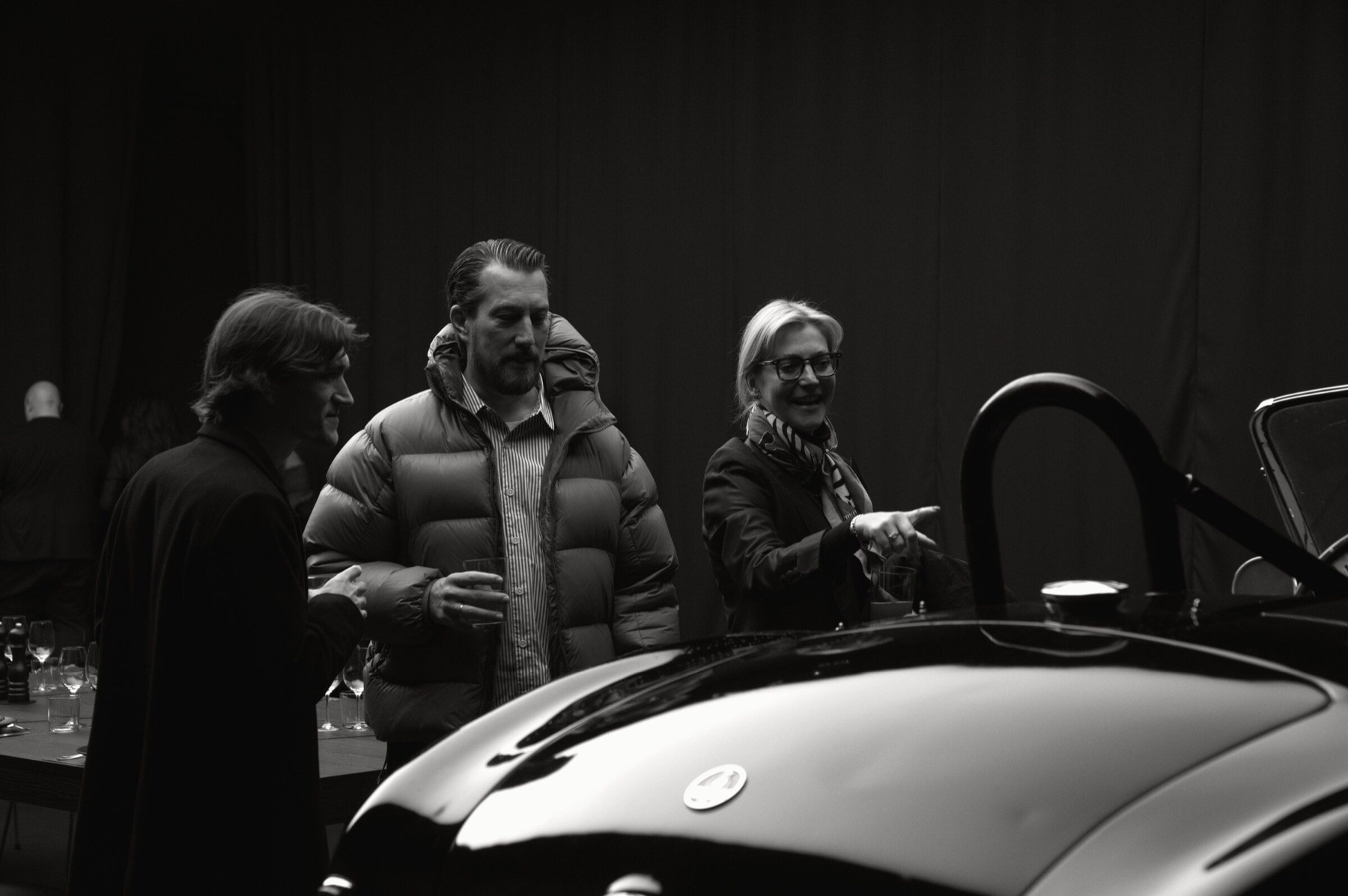
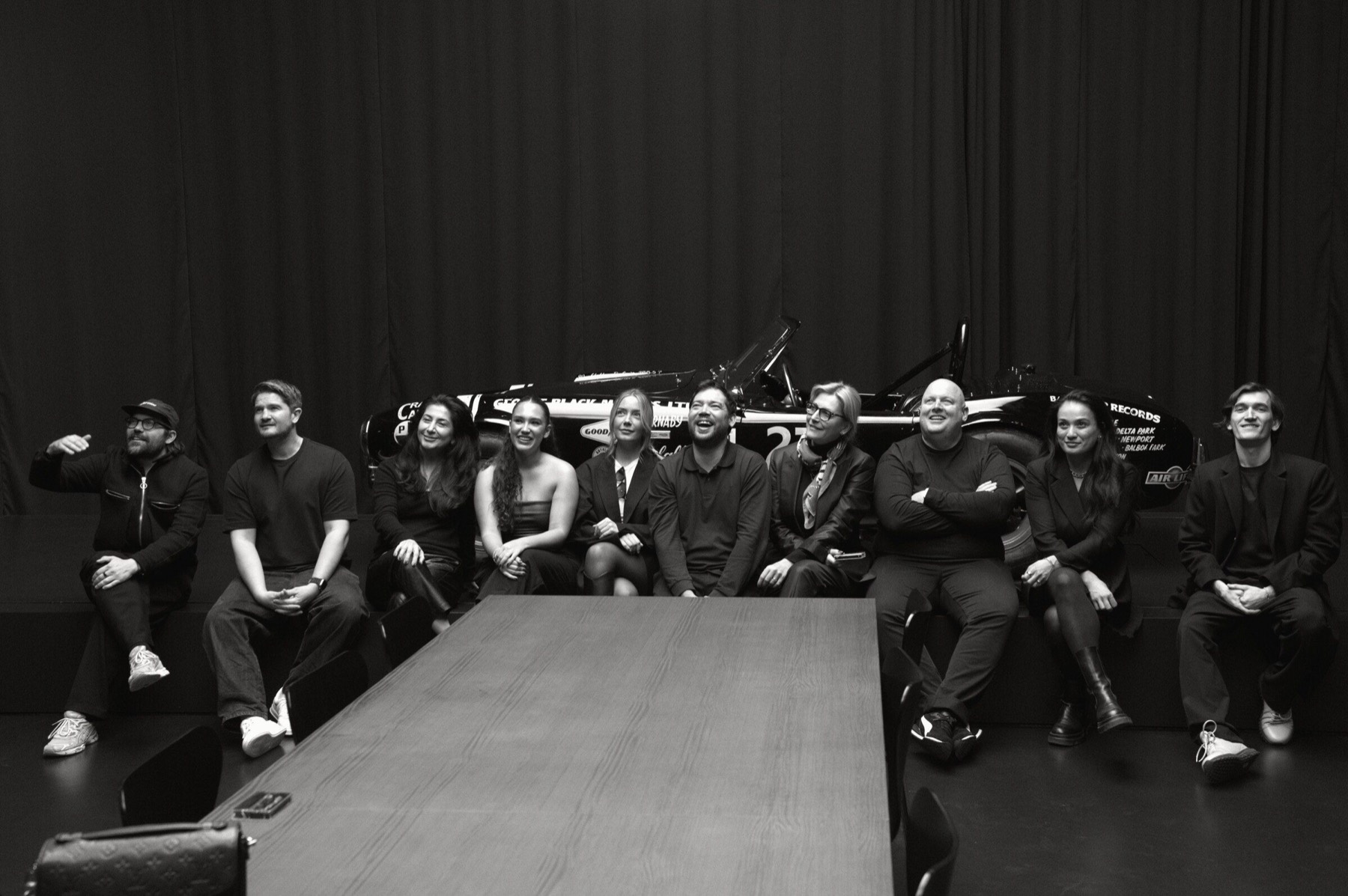
Banzai created and hosted Ten Seats. One Light Dinner., inviting Laura Kukuk von Glahn as one of ten guests alongside people who care deeply about automotive culture, authenticity, craftsmanship, preservation and the future of collecting.
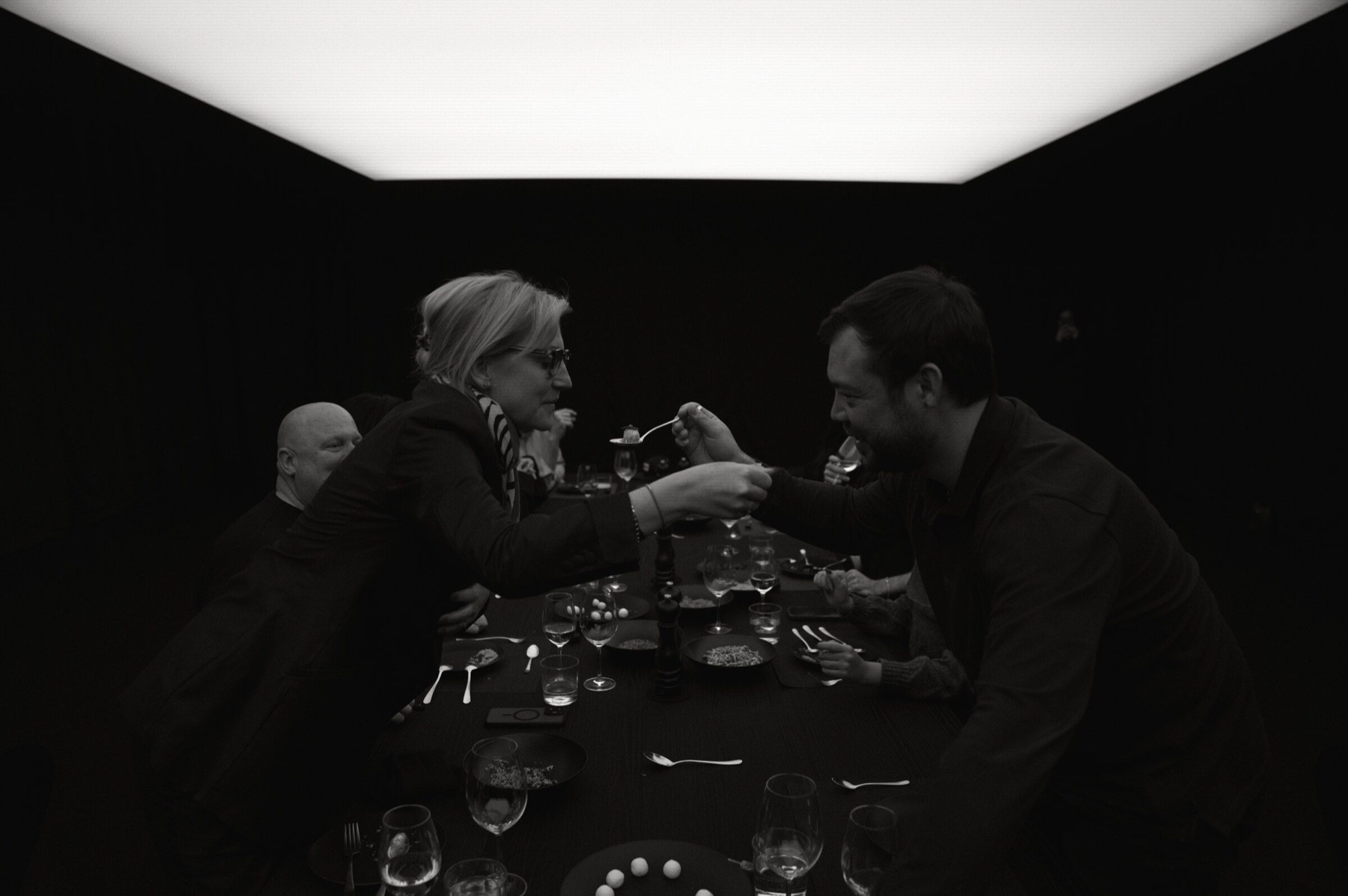
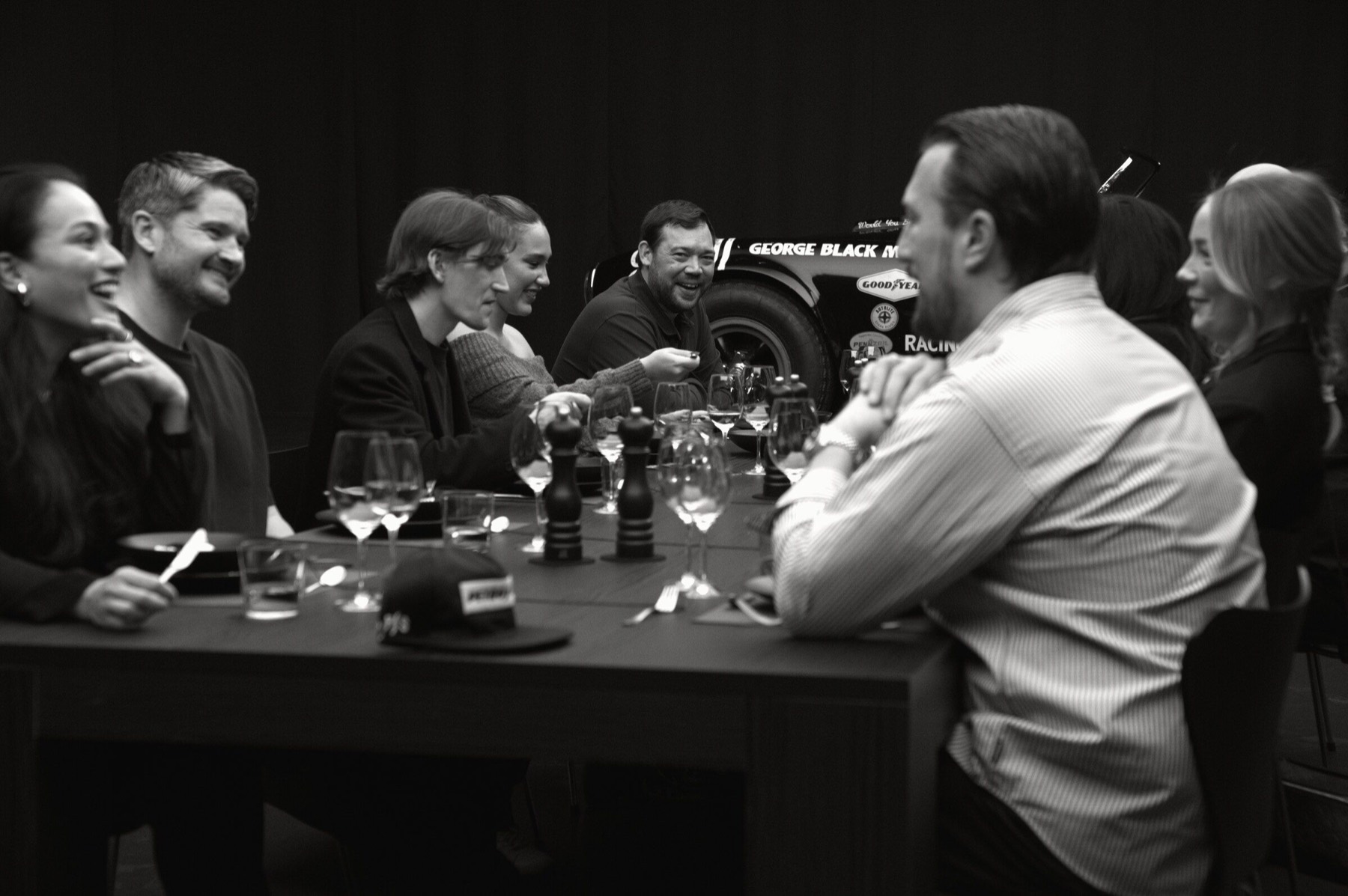
Only ten seats. One shared table. A light dinner. And a conversation that does not need a stage to matter.
A table, not a stage
Banzai’s idea was simple: bring together a small circle of collectors, experts, restorers, entrepreneurs, designers, historians and friends of mechanical culture. The evening is not a formal lecture and it is not a sales presentation. It is shaped by curiosity, experience and substance.
That distinction matters. When there is no auditorium and no prepared performance, people can speak with more precision. A question may remain open for a while. Experience can be shared without being reduced to a slogan. Different views can sit next to each other without the pressure to create a quick conclusion.
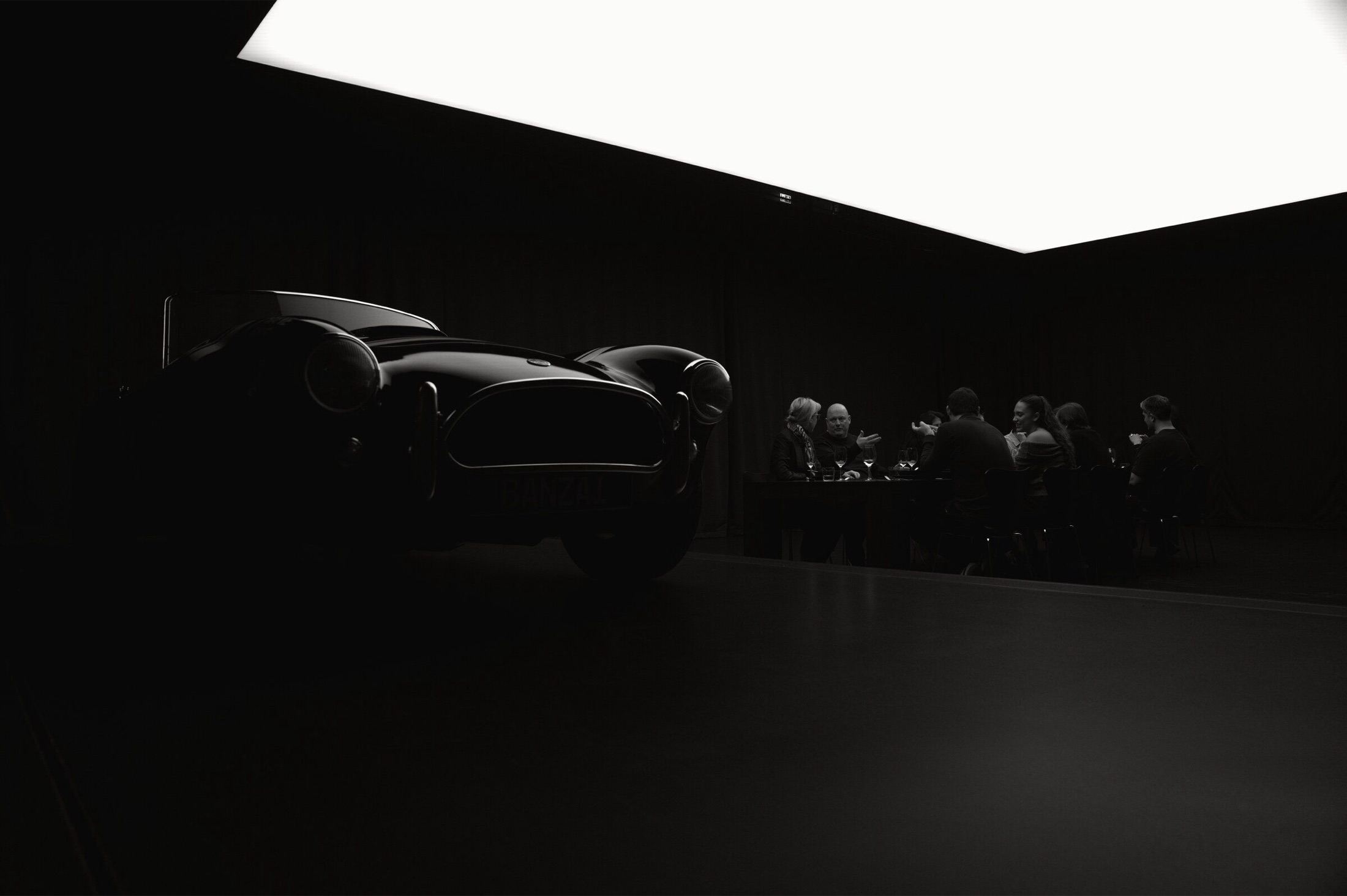
Vehicles carry more than material
At KUKUK, vehicles are never seen only as objects. They are evidence carriers, cultural witnesses, technical systems, personal memories, investments, family stories and sometimes lifelong companions. To understand them properly, one has to look beyond surface, status and market noise.
A chassis, an engine, a paint layer or a repaired panel can preserve technical facts. A period photograph, an invoice or a handwritten note can connect those facts to a moment in time. An owner's memory may explain why a decision was made. Each layer has value, but none should automatically stand in for another.
This is why Banzai kept the dinner format intentionally restrained. It creates room to consider how engineering evidence, documentation, historical context and personal experience can be read together.
Questions that deserve time
There is no large audience, no rushed programme and no need to perform expertise. Instead, the evening offers space for the questions that often remain between the lines:
- What makes a vehicle truly original?
- How much restoration is preservation, and where does interpretation begin?
- What happens to trust when provenance becomes more fragile than the story around it?
- How do we protect automotive heritage when documentation, value and authenticity are becoming increasingly complex?
- How can collectors, experts, institutions and future owners carry responsibility together?
These are not questions with quick answers. They require perspective, engineering knowledge, market experience, historical sensitivity and, above all, the willingness to look carefully.
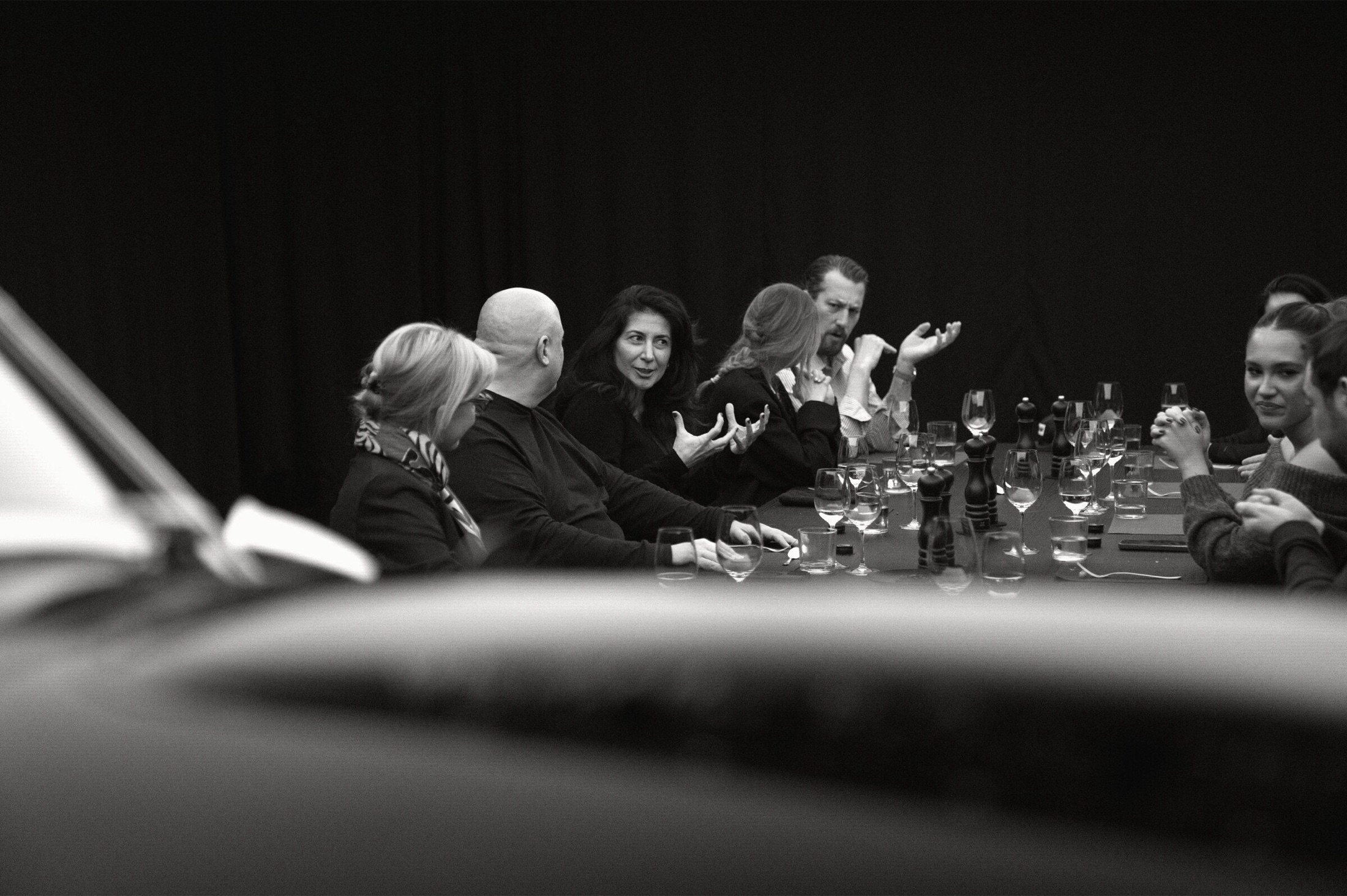
Why the dinner stays light
A light dinner gives the evening its rhythm. Nothing heavy, nothing formal. Just enough to slow the pace, open the conversation and allow people to meet each other properly.
The meal is not the subject of the evening, but it changes how the room works. People arrive at one table rather than in separate groups. They share time rather than pass through a programme. The pace allows a technical detail to become a broader discussion about care, judgement and responsibility.
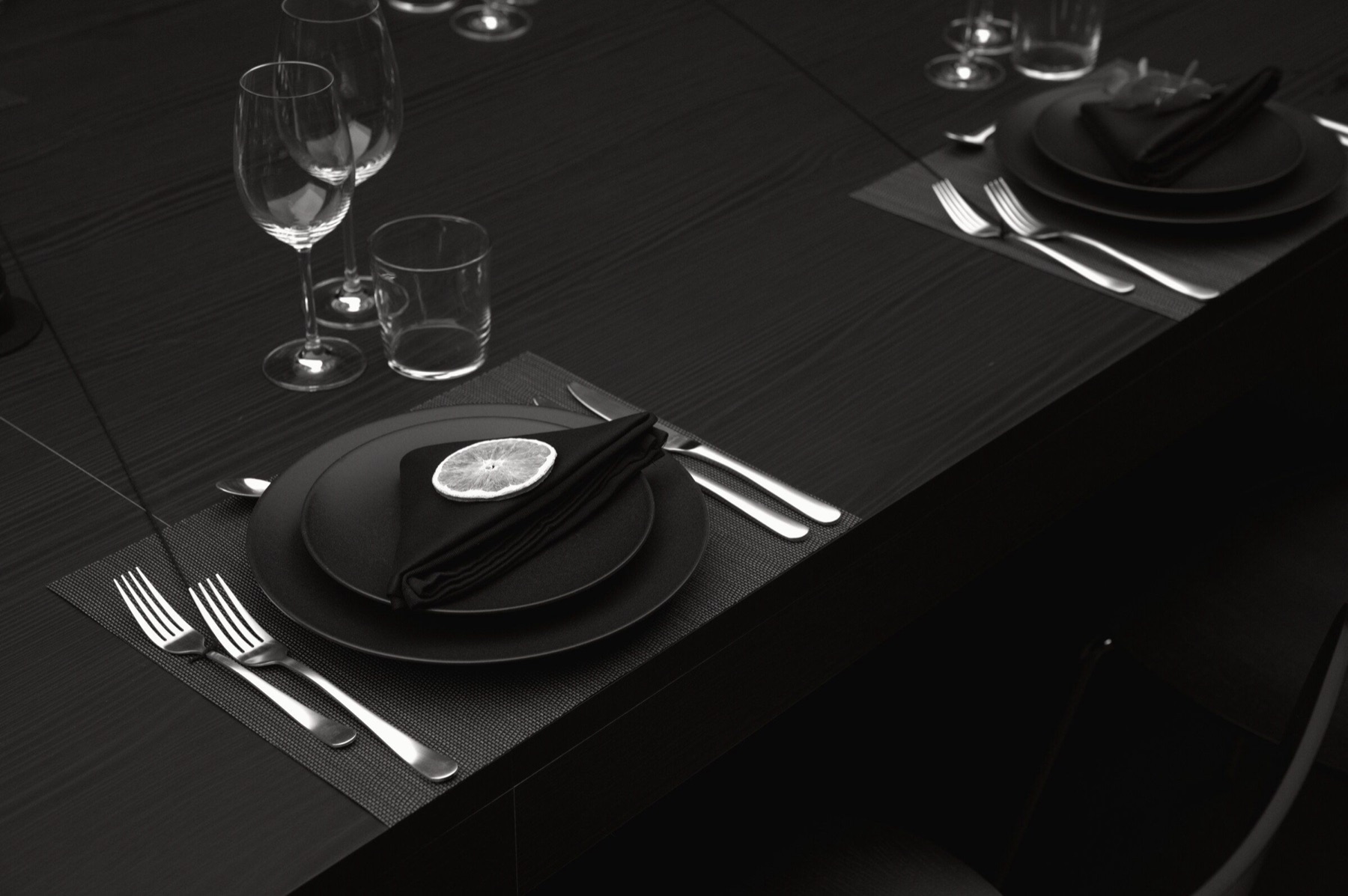
Why ten seats matter
Ten seats mean that every voice matters. The format works because it is selective, personal and direct. It allows people from different backgrounds to exchange what they have seen, learned, questioned, protected, restored, lost and discovered.
A collector may describe the responsibility of living with an important vehicle. A restorer may explain what can be preserved and what has already disappeared. A historian may challenge a familiar narrative. An engineer may show where evidence supports a claim and where uncertainty has to remain visible. The value lies in bringing these perspectives into the same room.
Good stewardship depends on this kind of exchange. No single discipline can answer every question surrounding a significant vehicle. Technical analysis, craft knowledge, historical research, ownership experience and institutional memory each reveal a different part of the object.
The complete evening
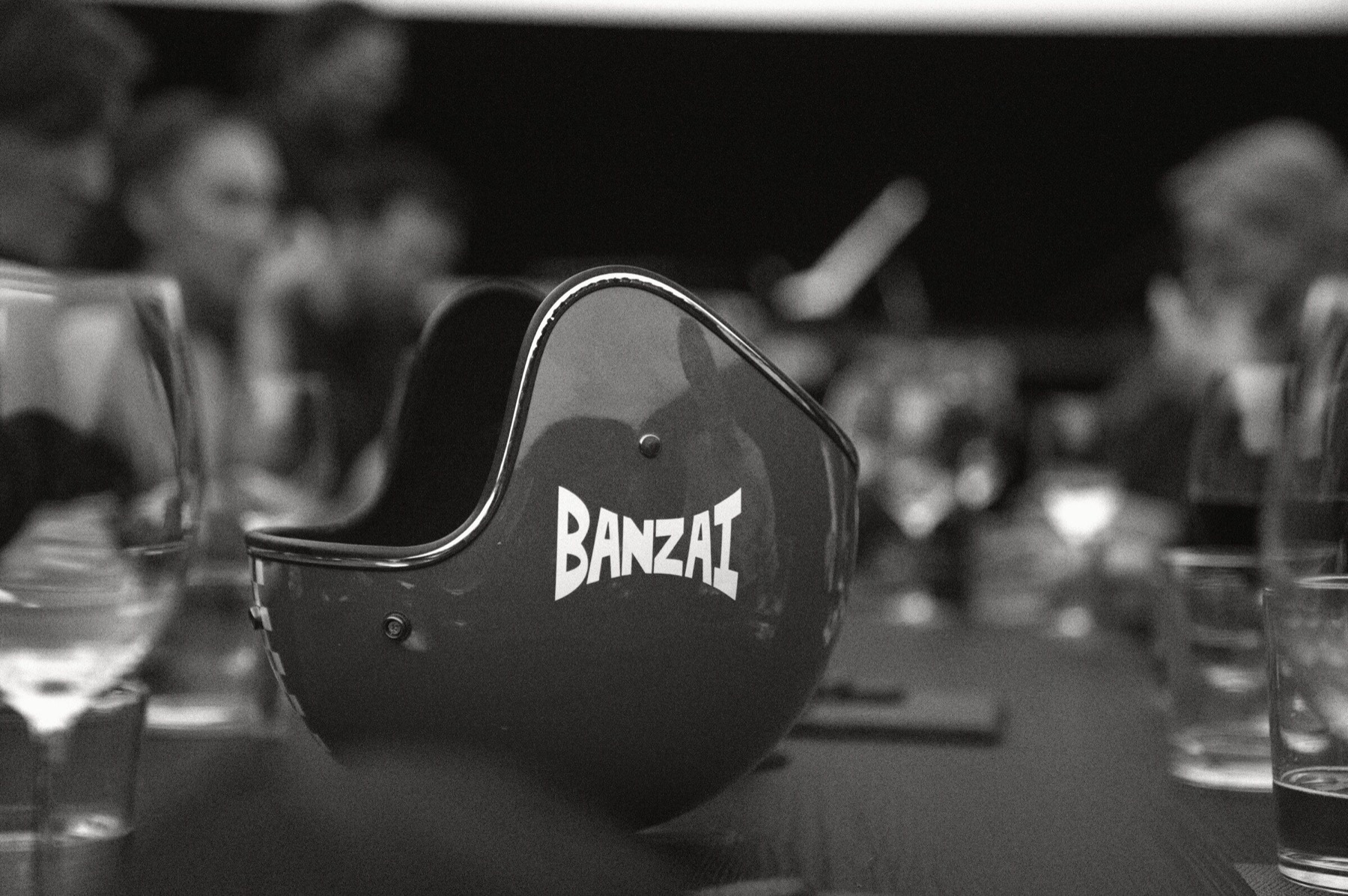
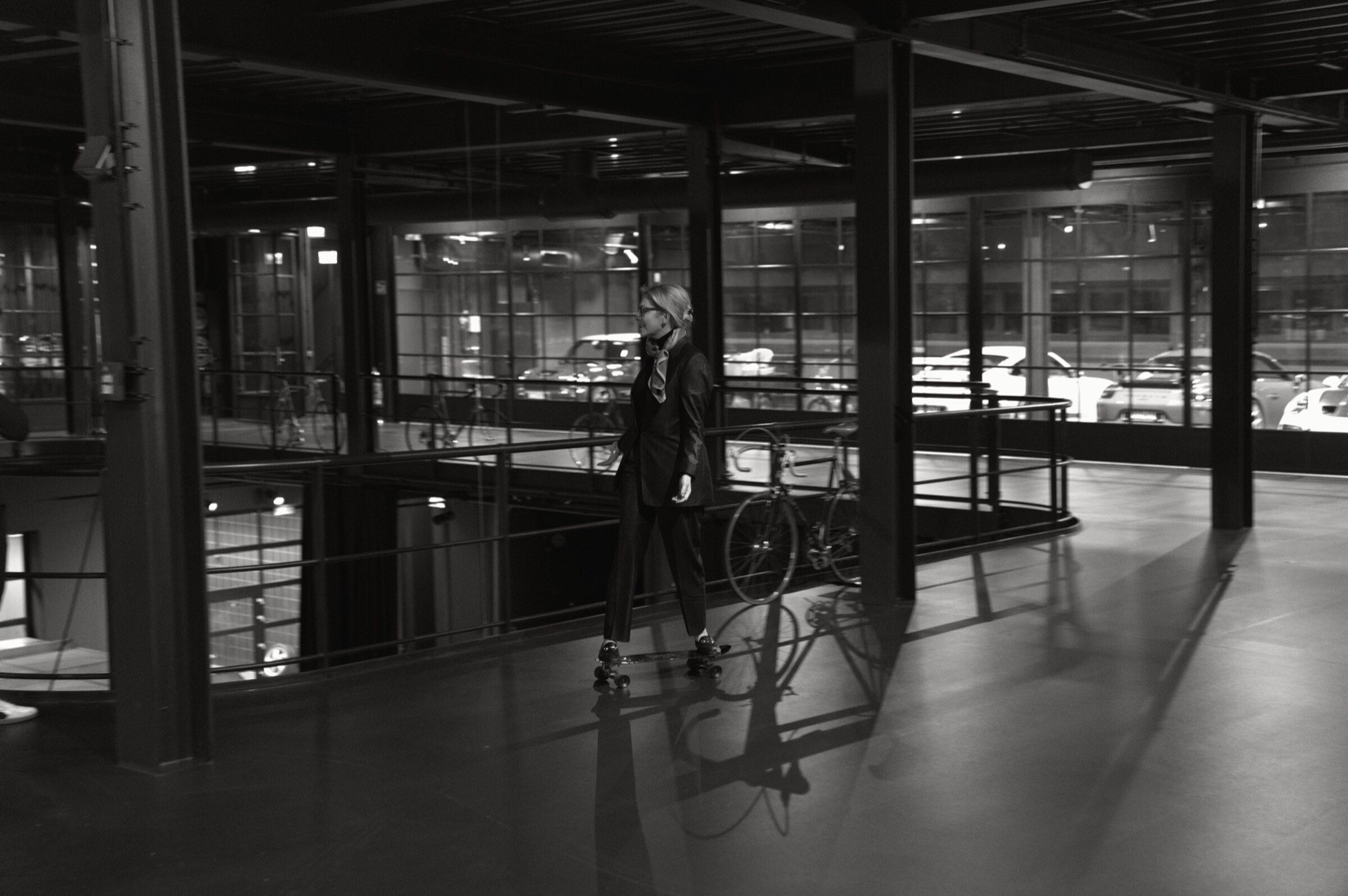
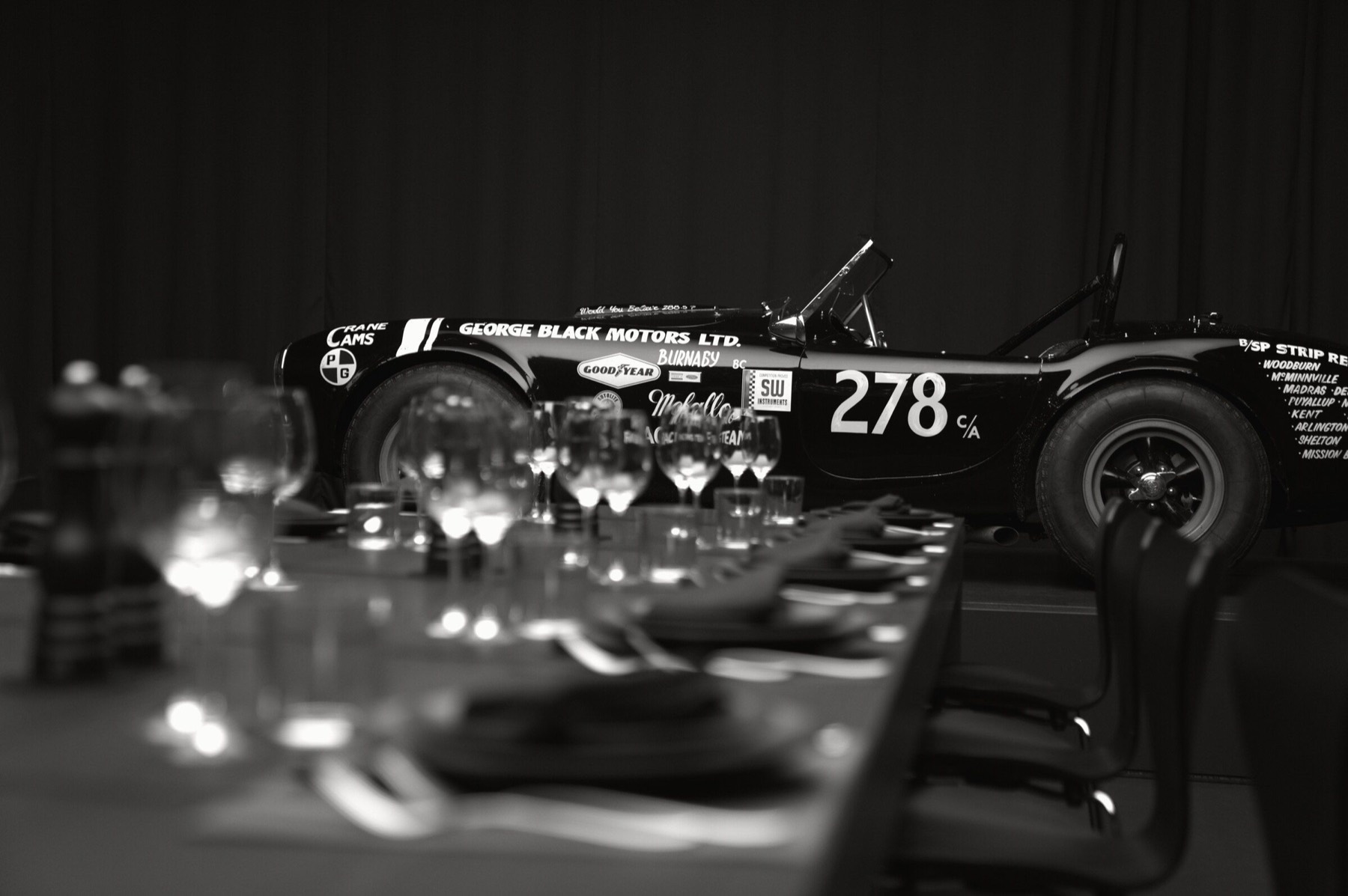
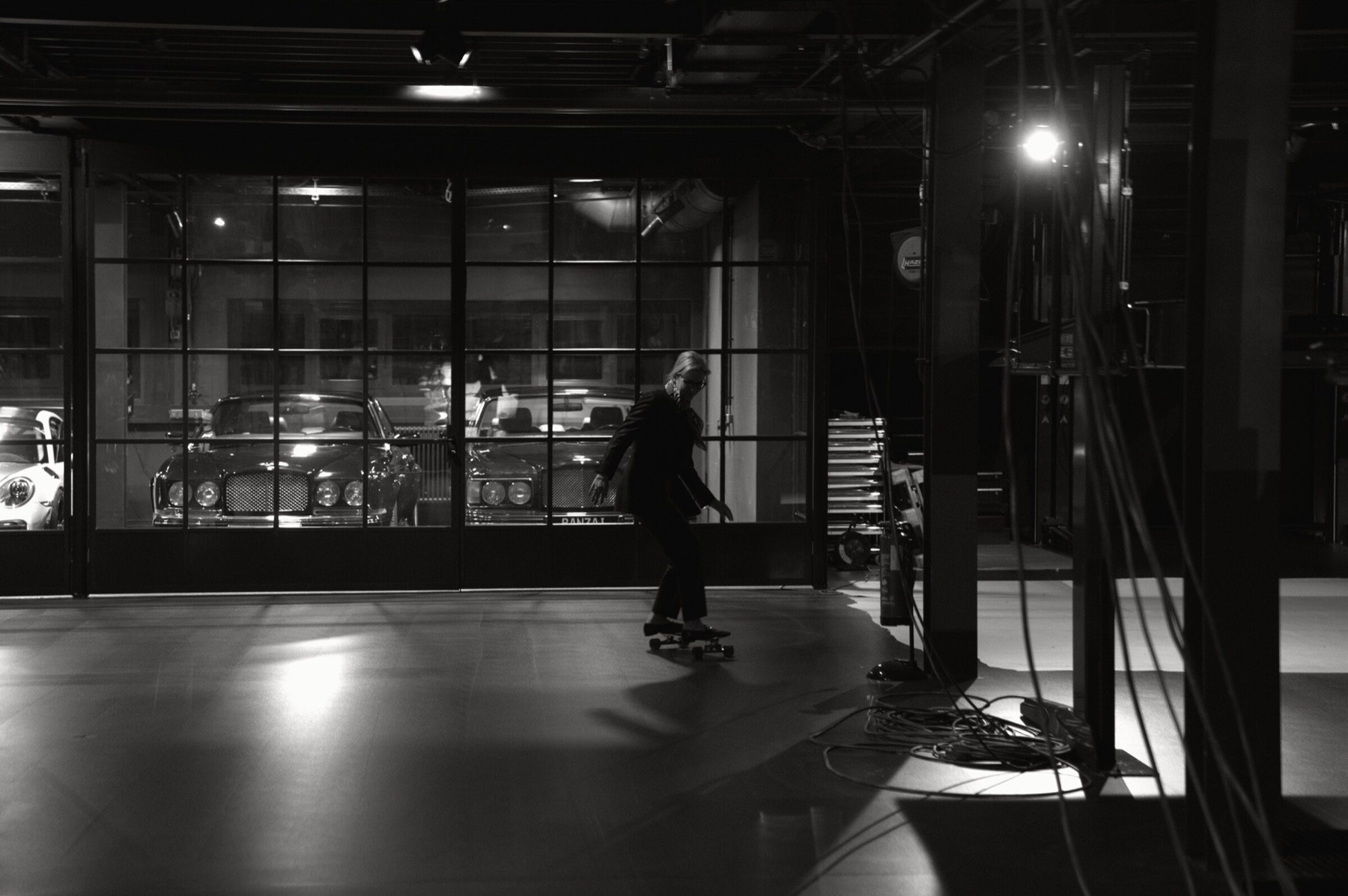
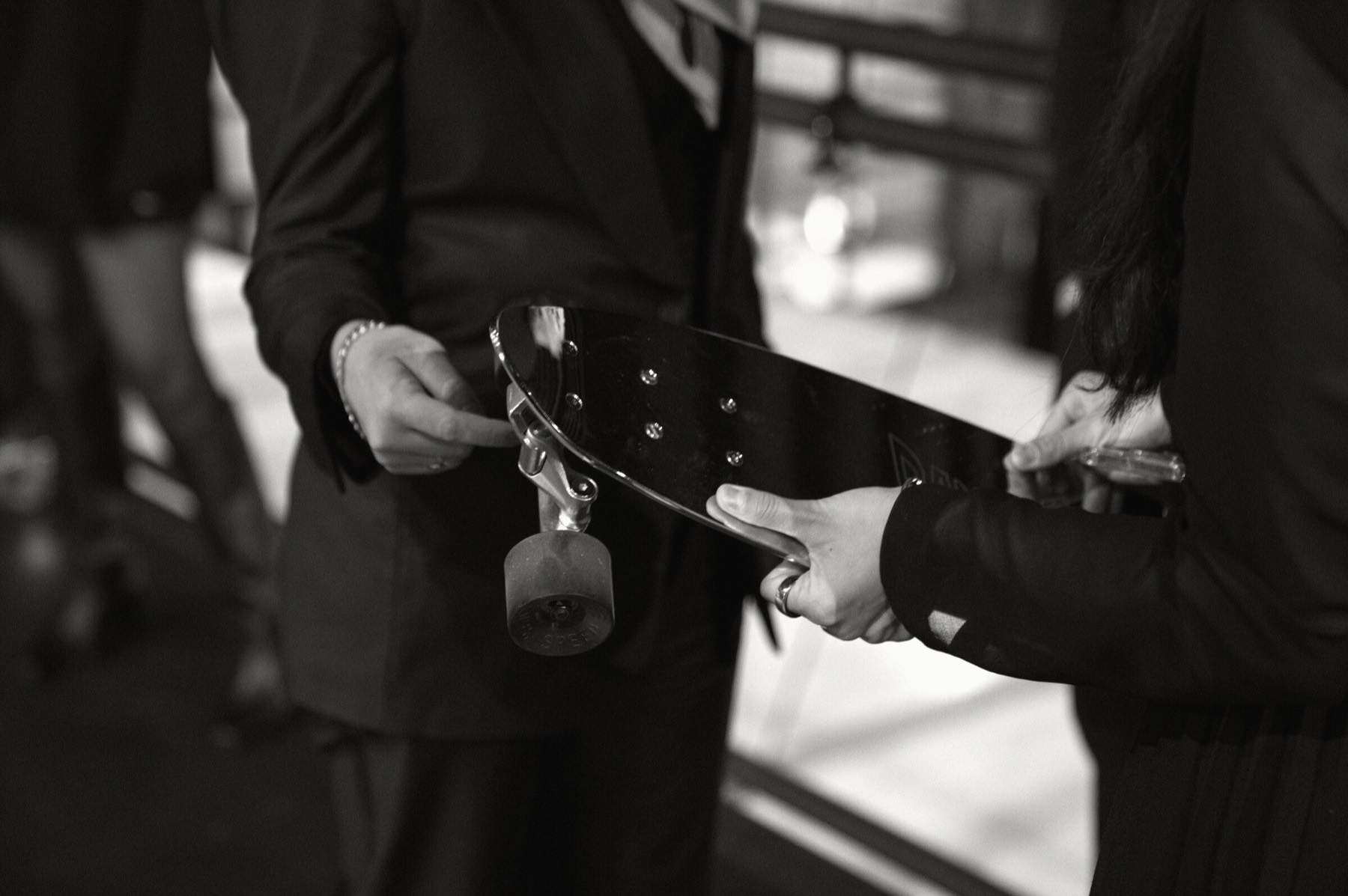
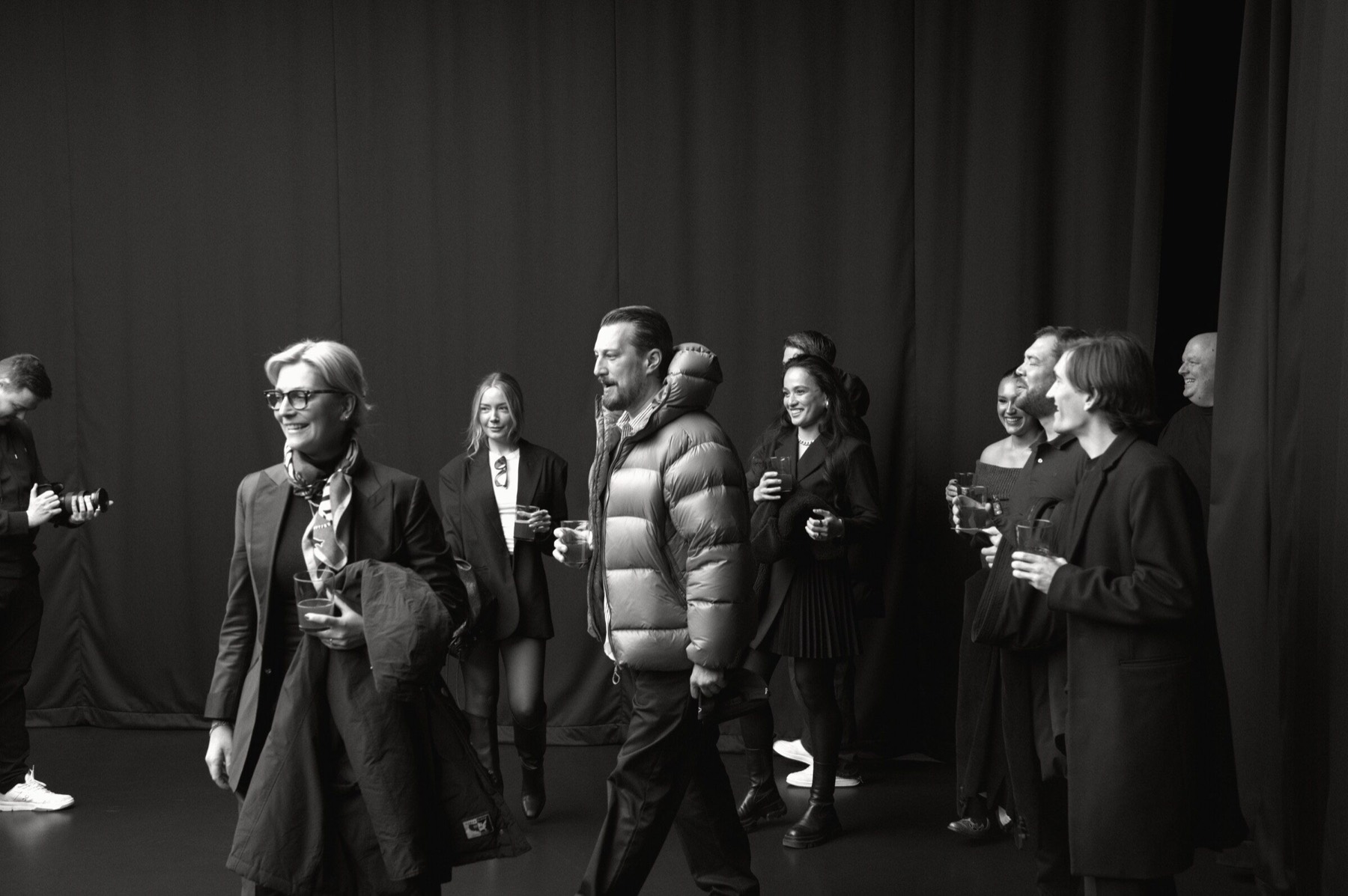
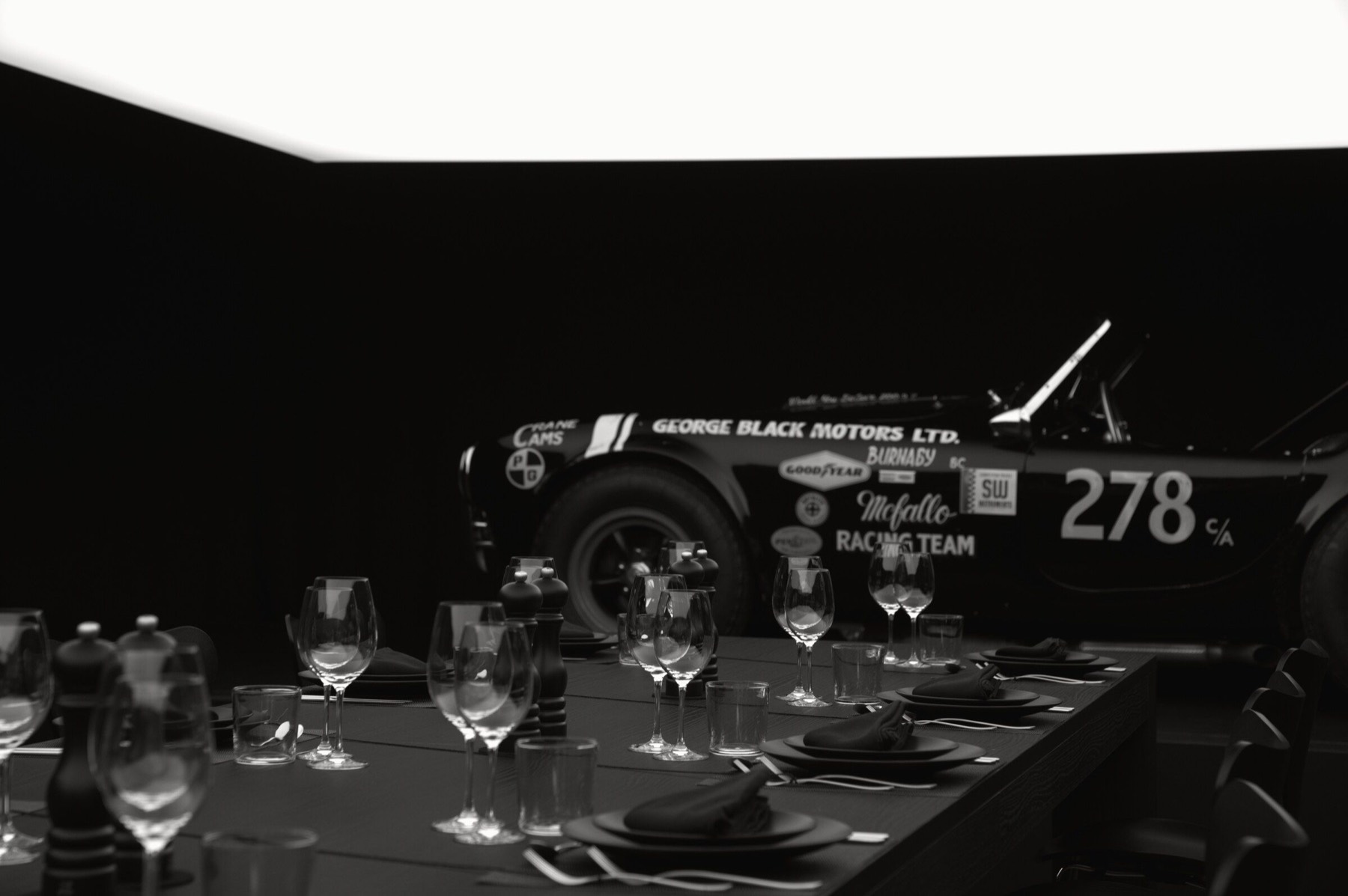
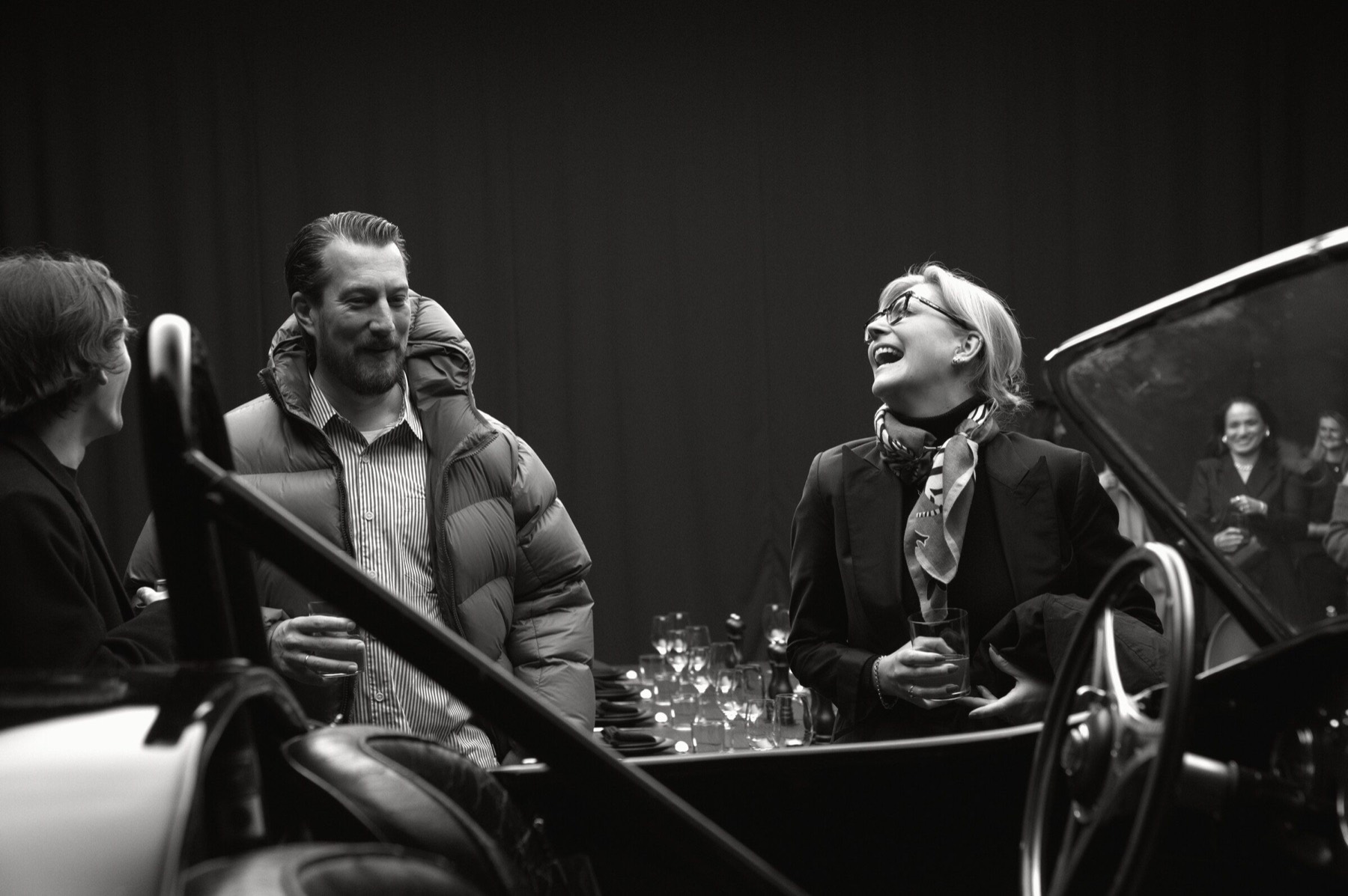
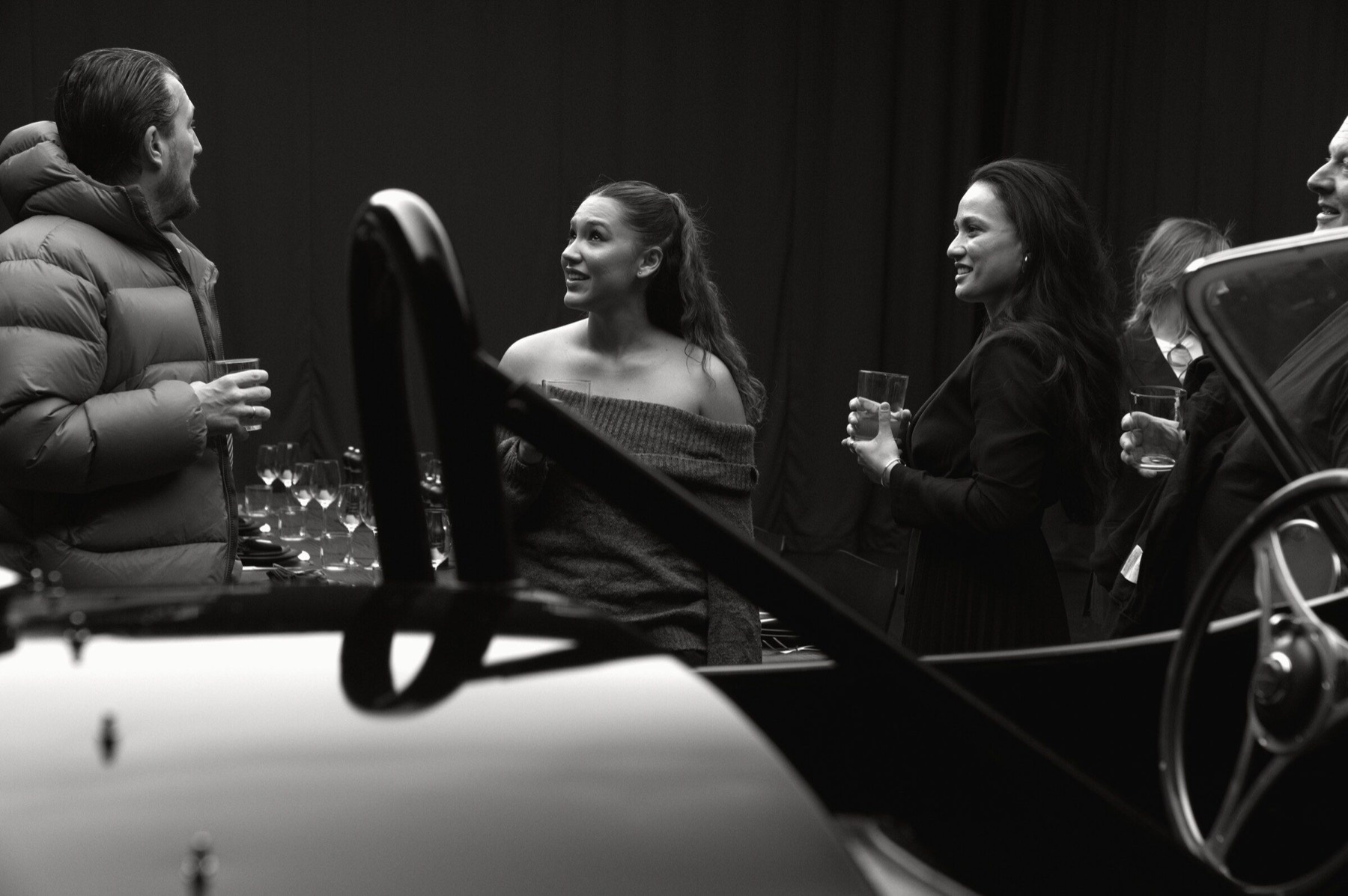
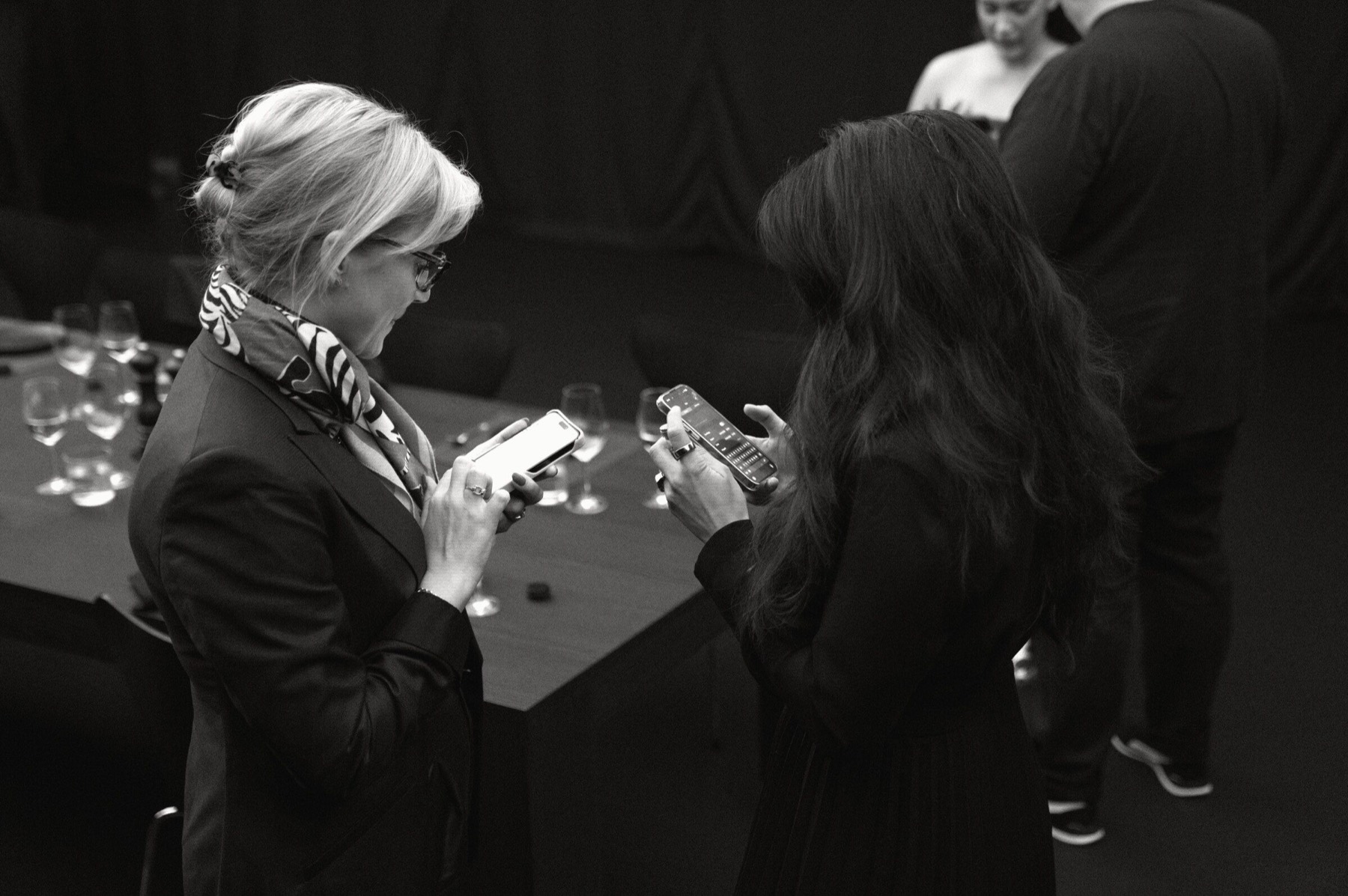
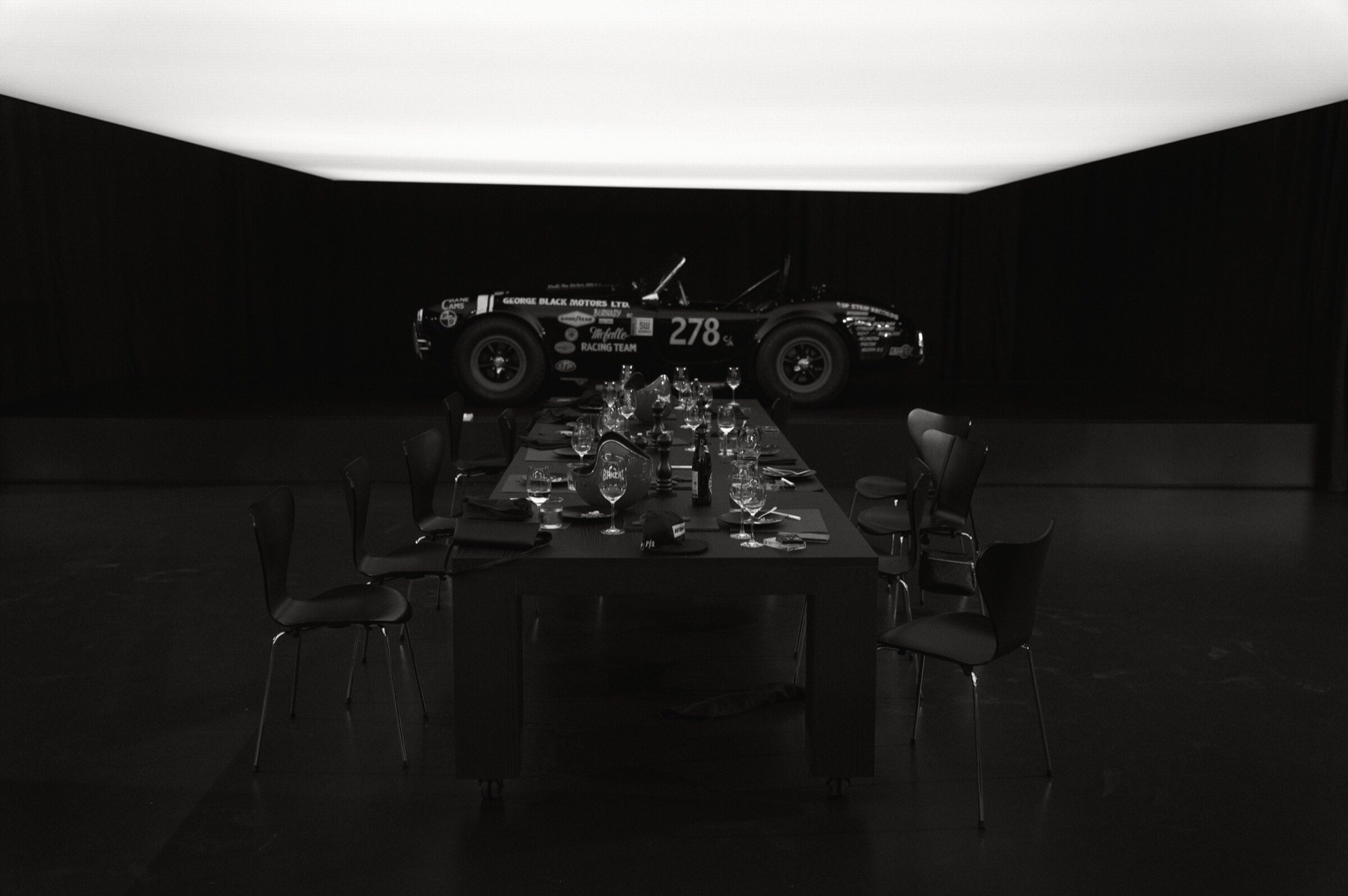
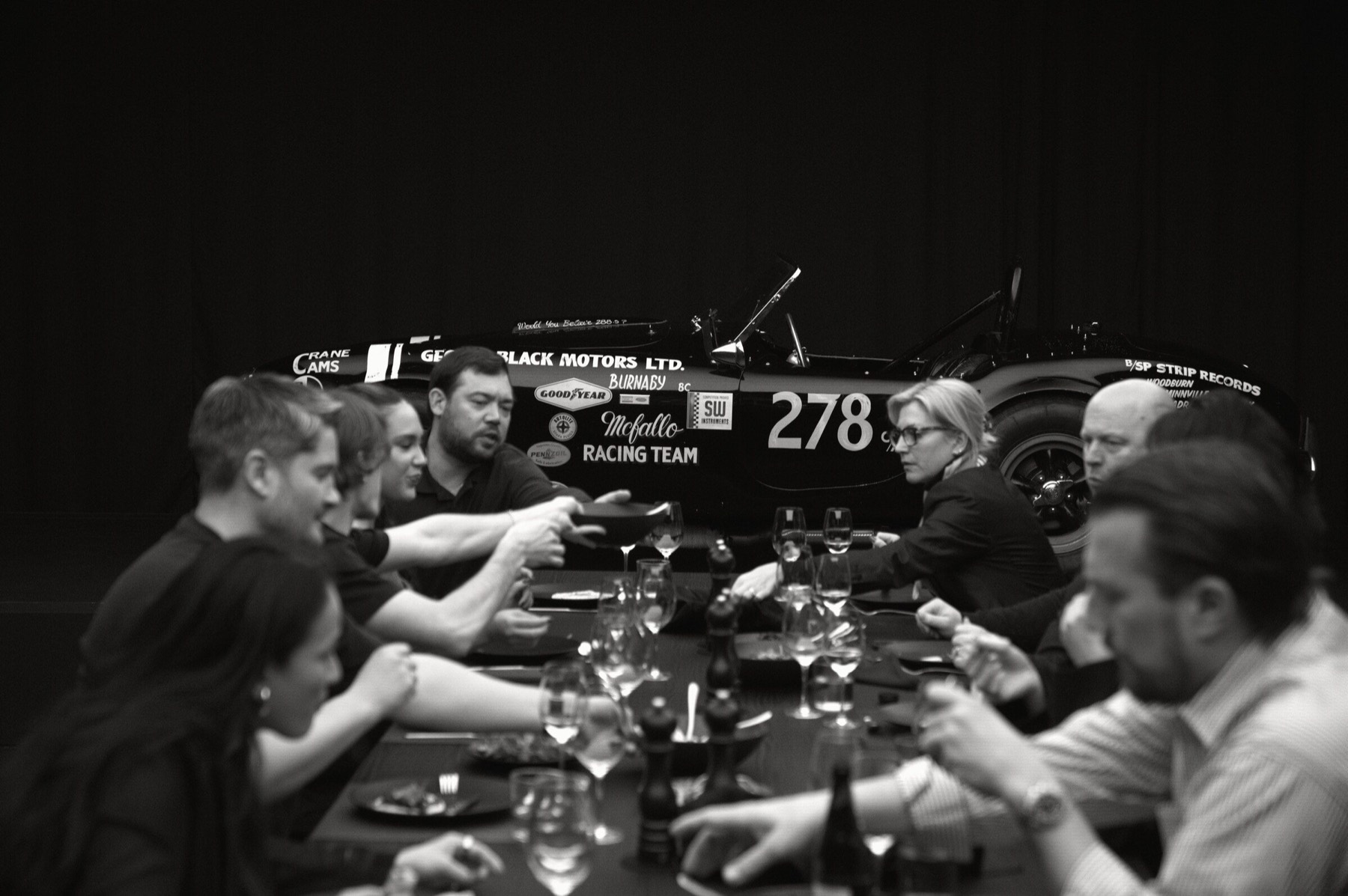
The full photographic sequence records the room before the guests arrived, the shared table and the conversations that shaped the evening.
Authenticity is a relationship
For Laura, the evening connected closely with KUKUK’s broader understanding of responsibility. Authenticity is not only a technical conclusion. It is a relationship between material truth, documentation, memory and trust. It connects the physical vehicle with the people who care for it across time.
That relationship requires honesty about what is known, what can be proven and what remains uncertain. It also requires respect for the people who made, used, maintained and preserved the vehicle before it reached its current custodian.
With Ten Seats. One Light Dinner., Banzai created a place where this responsibility could be discussed with the seriousness, warmth and precision it deserves.
With ten seats.
And one light dinner.