
People don’t just buy vehicles. They buy meaning.
Meaning remains reliable only if identity is traceable.
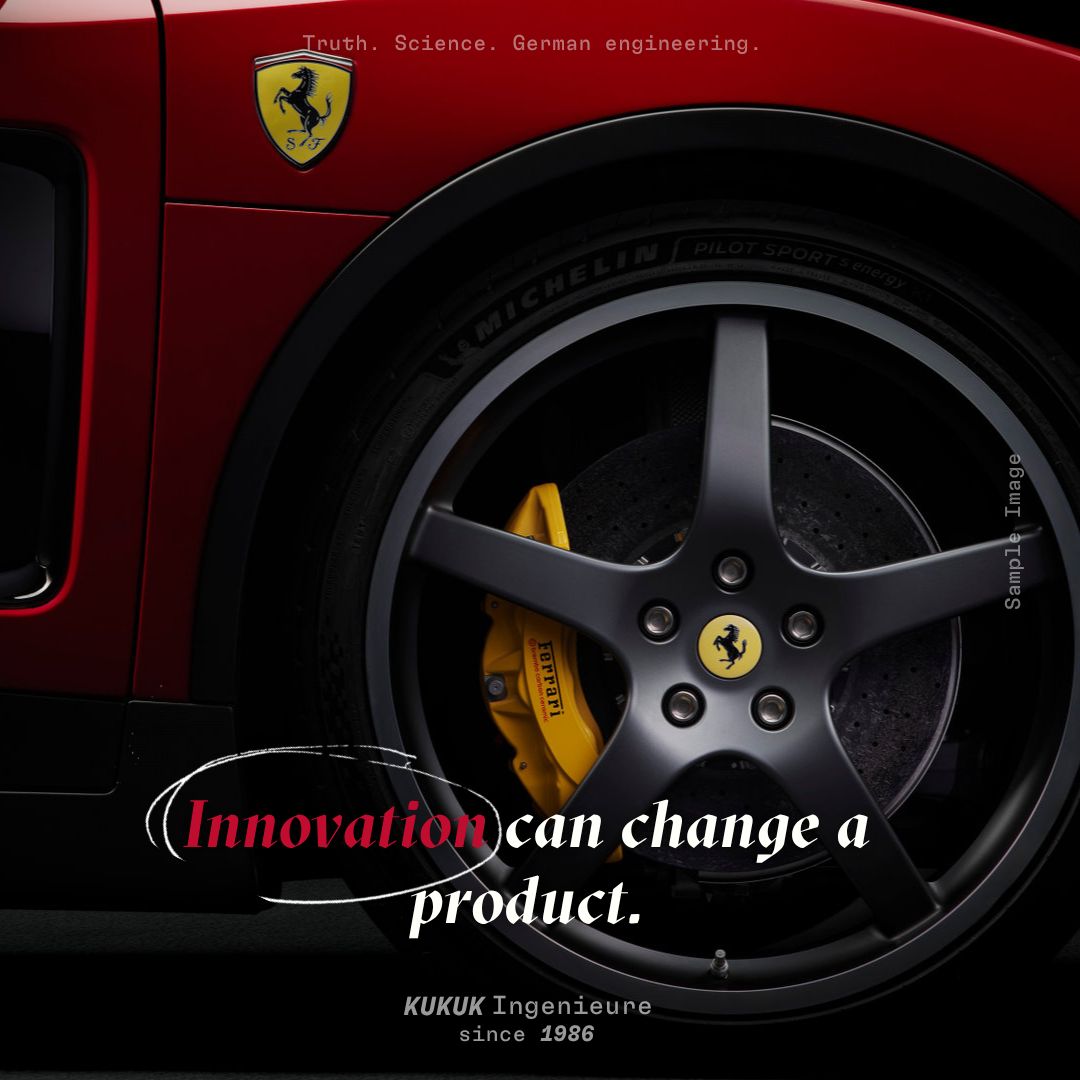
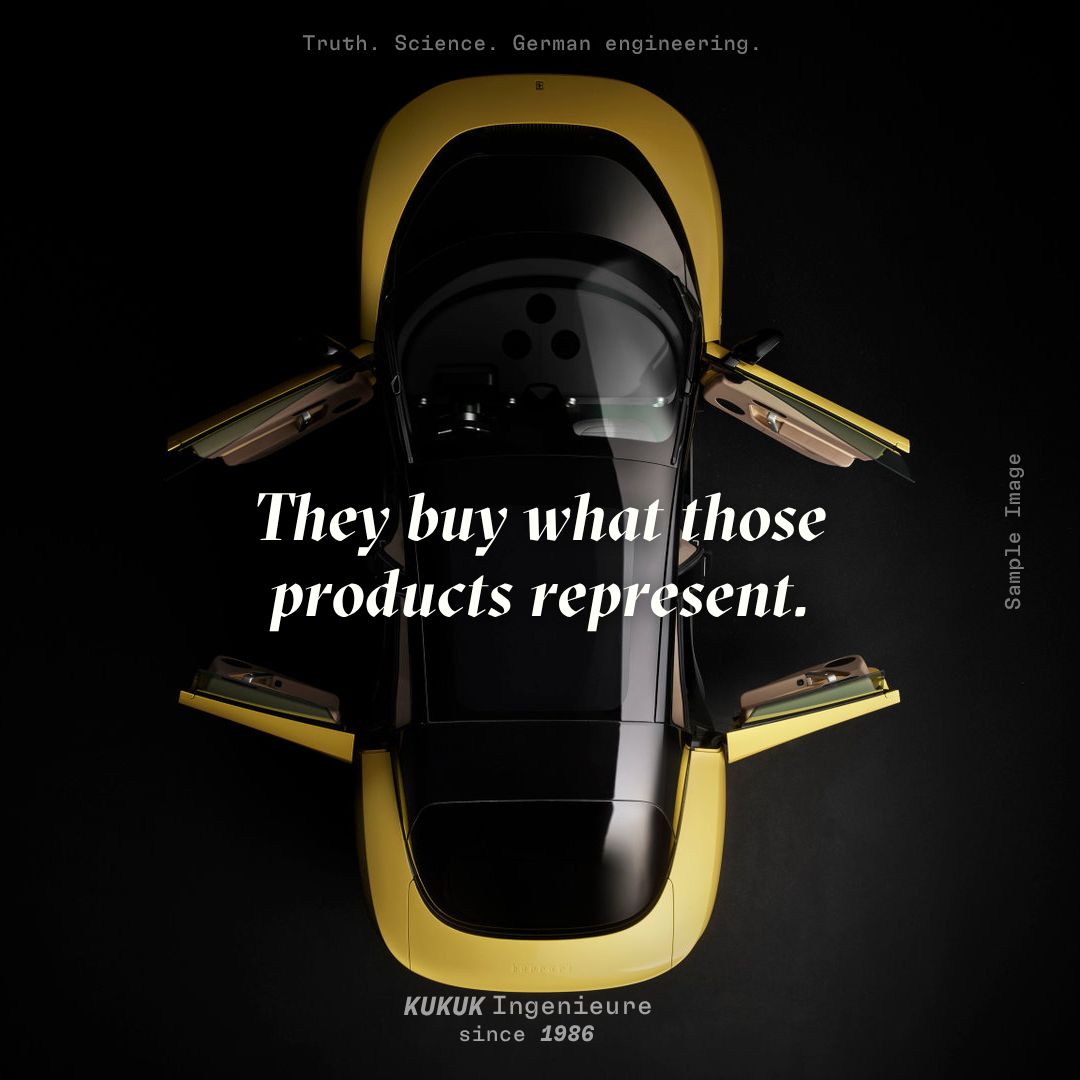
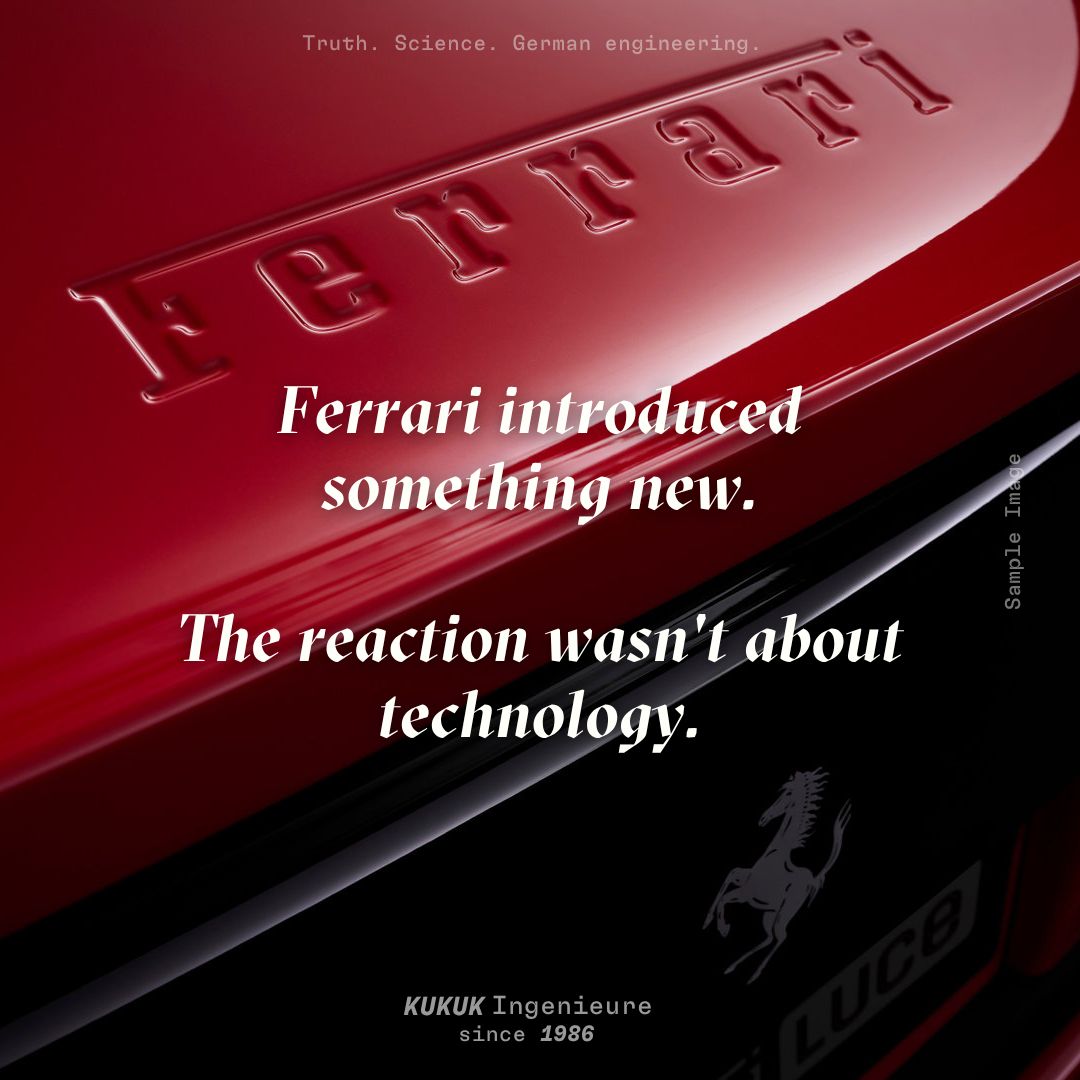
Initial estimate requestsThe debate surrounding the Ferrari Luce shows something that goes far beyond a single new model: people rate significant vehicles not only by technology, performance or design. They evaluate them by identity.
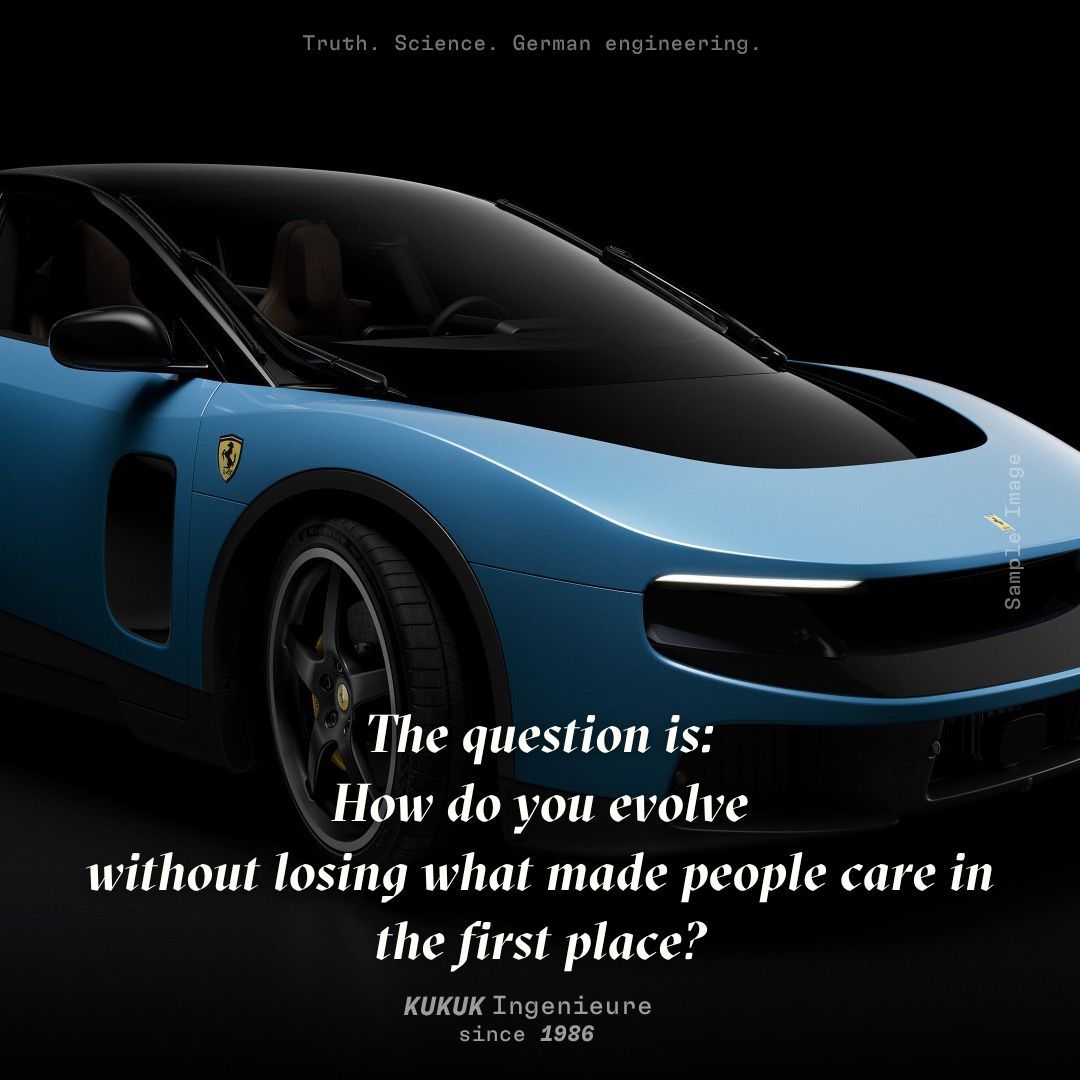
That’s why the reaction to Ferrari’s first electric Ferrari was so strong. The question was not only: Is this a good car? Does it still feel like a Ferrari?
This question is relevant for manufacturers. For collectors it is even more relevant. In the market for collector vehicles, identity often determines whether a vehicle creates trust, whether its history remains traceable and whether its value has a long-term resilience.
Why the Ferrari Luce polarizes so strongly
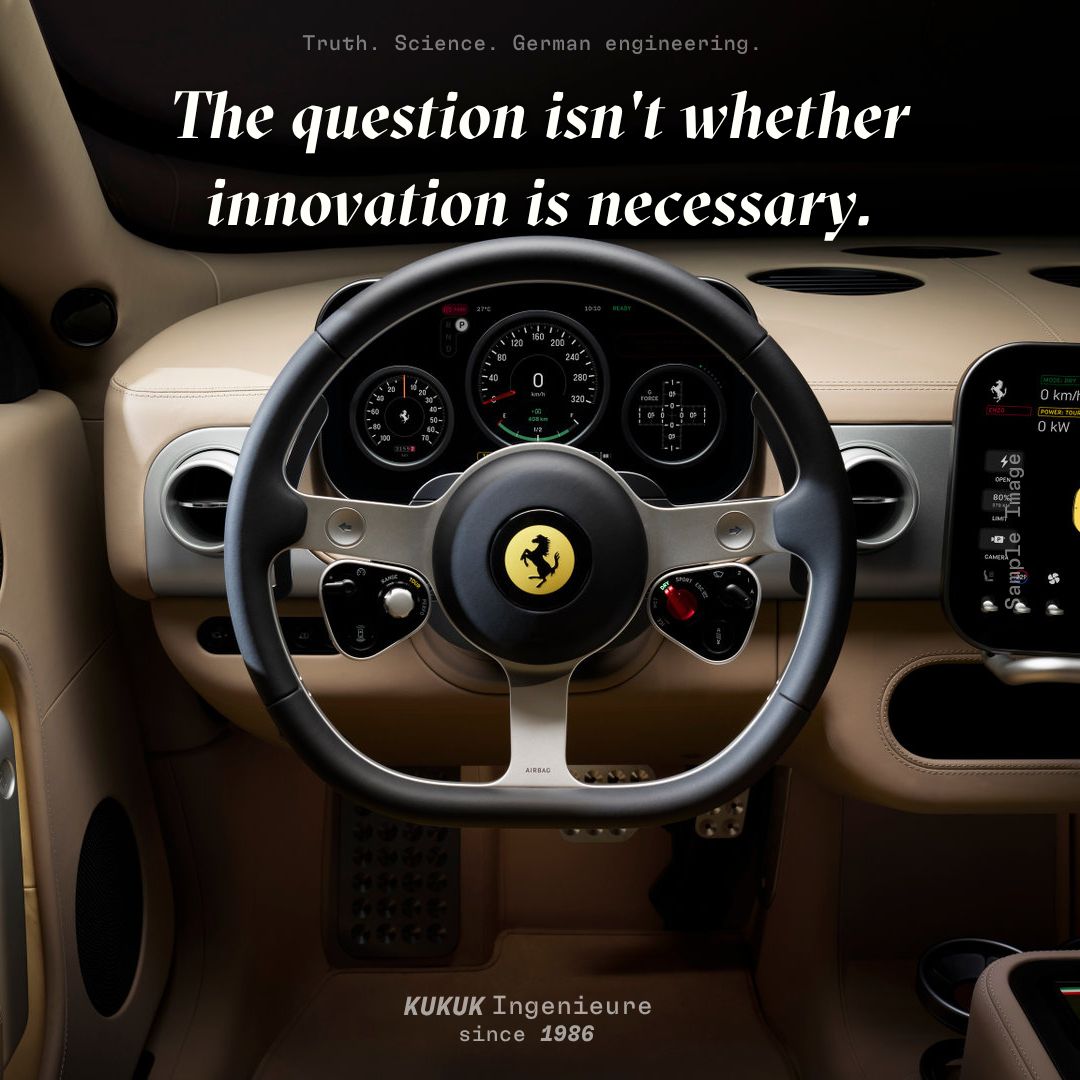
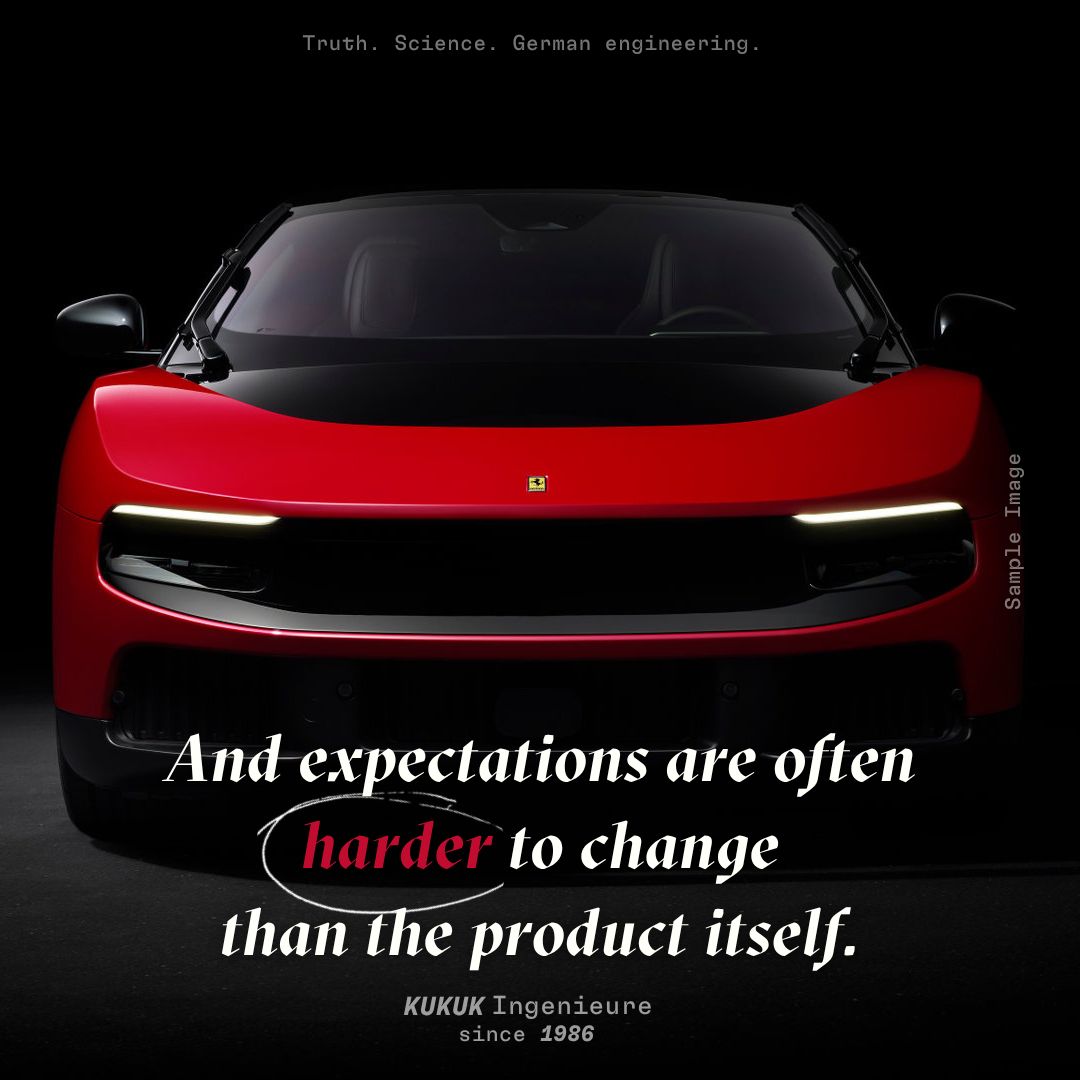
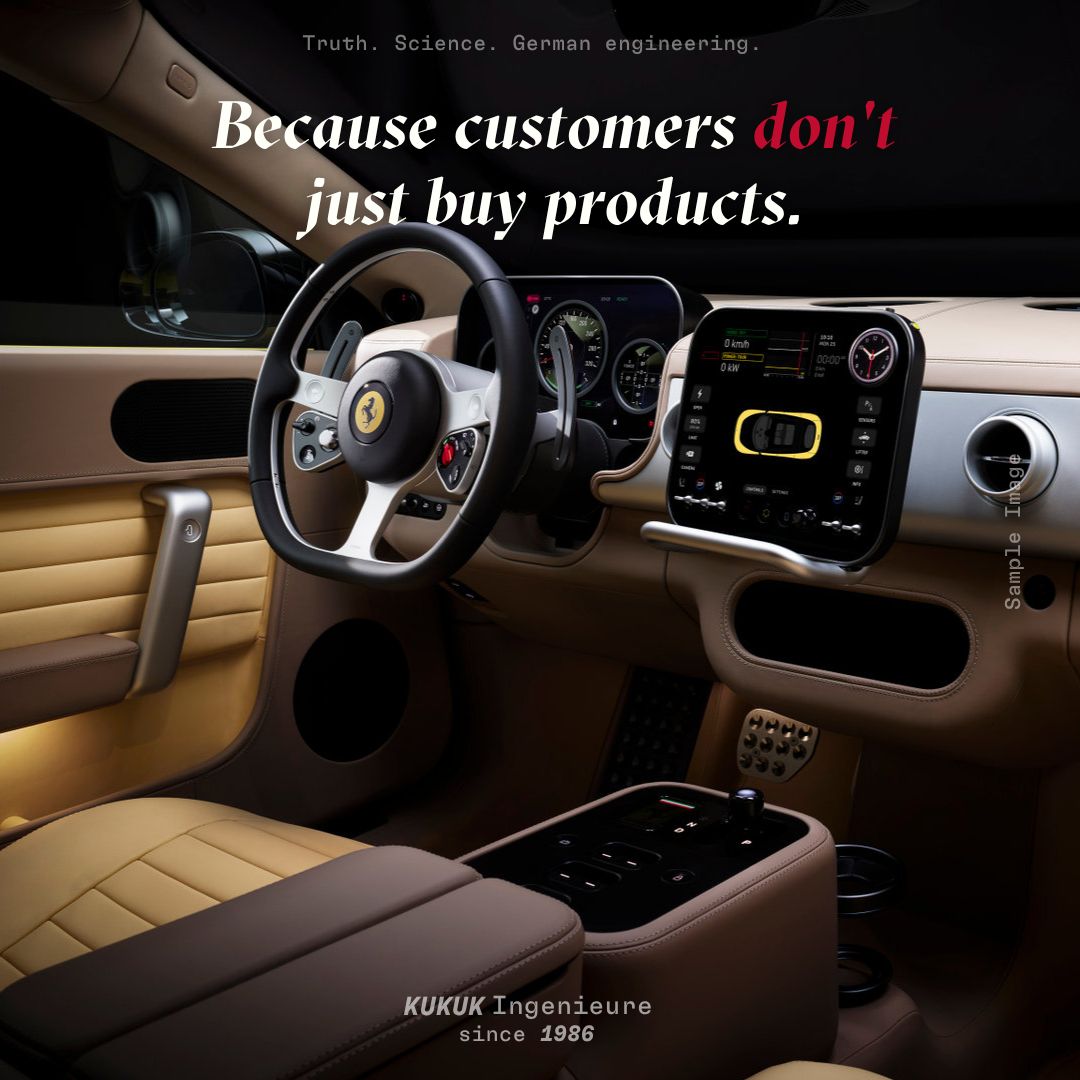
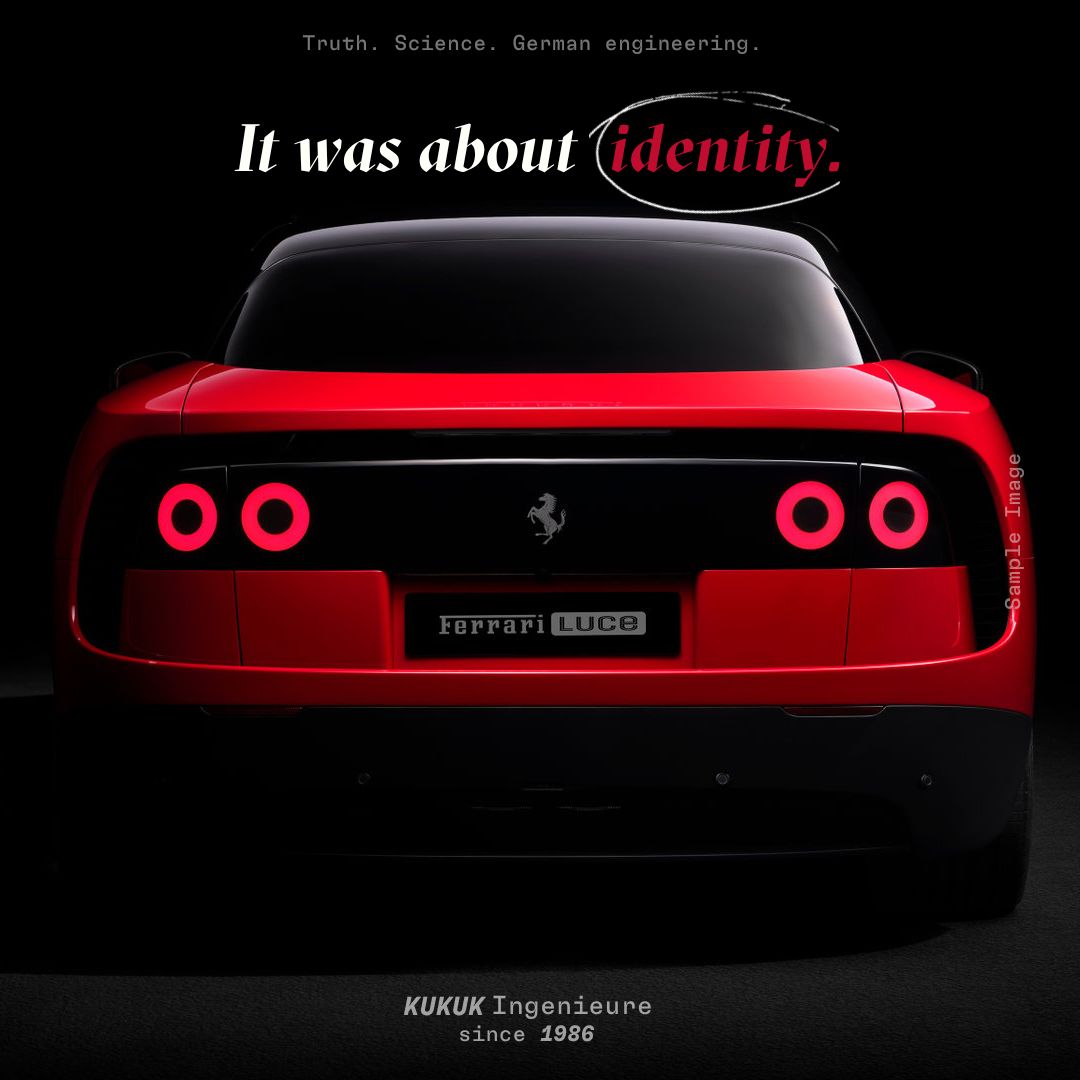
The Ferrari Luce was not simply perceived as a new vehicle. It was read as a statement about the future of a brand.
Some see it as the necessary step into a new technological era. Others ask whether an electric Ferrari with radically different design language can still carry the same emotional meaning as those vehicles that built the Ferrari myth over decades. It was precisely this tension that made the discussion so intense. Media described the Luce as one of the most polarizing vehicles of the year, including WIRED.
What matters is that Many criticisms related less to individual technical data. It was about perception, expectation and origin. The question of whether a new product is still connected with the story from which its brand draws its power.
This is not a purely emotional issue. In the collector vehicle market, it is precisely this connection between history, physical substance and credible identity that is a central value factor.
A car is not just a product. It's a carrier of meaning.
If vehicles were evaluated solely on the basis of objective criteria, the market would be simple. One would compare performance, efficiency, acceleration, price and equipment. The best data sheet would win.
This is not how automotive fascination works.
A Porsche 911 is not just a sports car. A Ferrari F40 is not just a high-performance vehicle. A Mercedes-Benz 300 SL is not only historical technology.
Such vehicles are symbols. They represent an era, an engineering attitude, a design language, a motorsport history or a cultural idea. This meaning arises over time. And it only becomes resilient if the history of a vehicle remains traceable.
This is where the crucial point for collectors begins: meaning requires trust. Trust requires traceability. And traceability needs evidence.
What collectors can learn from the Luce debate
The discussion about the Ferrari Luce reminds that identity is not a superficial topic. It is not only created by an emblem, a body shape or a data sheet. It comes from coherence.
For historical and important vehicles, coherence means above all: do the documented history, technical reality and physical substance coincide?
For collectors is therefore often not the first question:
Is this car beautiful?
but:
Is this vehicle really what I think it is?
Behind this are specific test areas:
- Ownership history
- Restoration history
- Original substance
- Chassis, engine, transmission and body identity
- Previous repairs
- Damage history
- Documentation and provenance
- technical plausibility of existing information
These factors not only affect emotional evaluation. They influence decision quality, insurability, market position, negotiation basis and, in the event of a dispute, the robustness of a statement.
Authenticity does not mean “untouched”
A common mistake in the collector vehicle market is to equate authenticity with untouchedness.
That is too simple.
A vehicle can have been restored, repaired or technically revised and still have a significant, traceable identity. What matters is not whether something has changed over the decades. The decisive factor is whether these changes are understood, documented and correctly classified.
The relevant questions are:
- What is original?
- What has been replaced?
- What has been repaired?
- What has changed?
- What is documented?
- What can be technically verified?
- What remains open?
A serious consideration separates observation, interpretation and conclusion. Exactly this discipline protects against rash statements and a false security, which can be expensive in the high-quality collector market. The KUKUK Guardrails therefore expressly emphasize: No unsecured claims, no guarantees, no conversion of presumptions into certainties.
Why Documents Alone Are Not Enough
Documents are important. They can make traceable origin, change of ownership, restoration work, invoices, certificates or historical events.
But documents are not the vehicle.
A folder can work completely without answering all technical questions. A certificate can provide orientation without depicting any physical change. A restoration bill can describe an intervention without fully explaining its quality, scope or structural consequence.
Therefore, for important vehicles, the documented history must be compared with the physical reality.
KUKUK combines technical assessment, historical research, market logic and scientific methods. Depending on the question, this can include, inter alia, material analysis, spectroscopy, ultrasound, endoscopy, 3D scan, photogrammetry, oil analysis or number-related test methods. These methods do not serve the staging of technology, but the reliable clarification of concrete questions.
Identity creates value, but only if it is resilient
In the market, value is often considered a number. In fact, value in collector vehicles is often the result of multiple levels of trust.
A vehicle is perceived more strongly if its history is credible. It will be safer to classify if its originality is traceable. It is valued more defensible if state, history and market logic fit together. It becomes less vulnerable when statements are documented and technically justified.
This does not mean that a check automatically generates a higher value. An independent review is not a promise of price increases.
It creates something else: clarity.
And clarity is often the prerequisite for a better decision in the collector market.
Innovation is rarely the real problem
The Luce debate is often read as a conflict between past and future. This falls short.
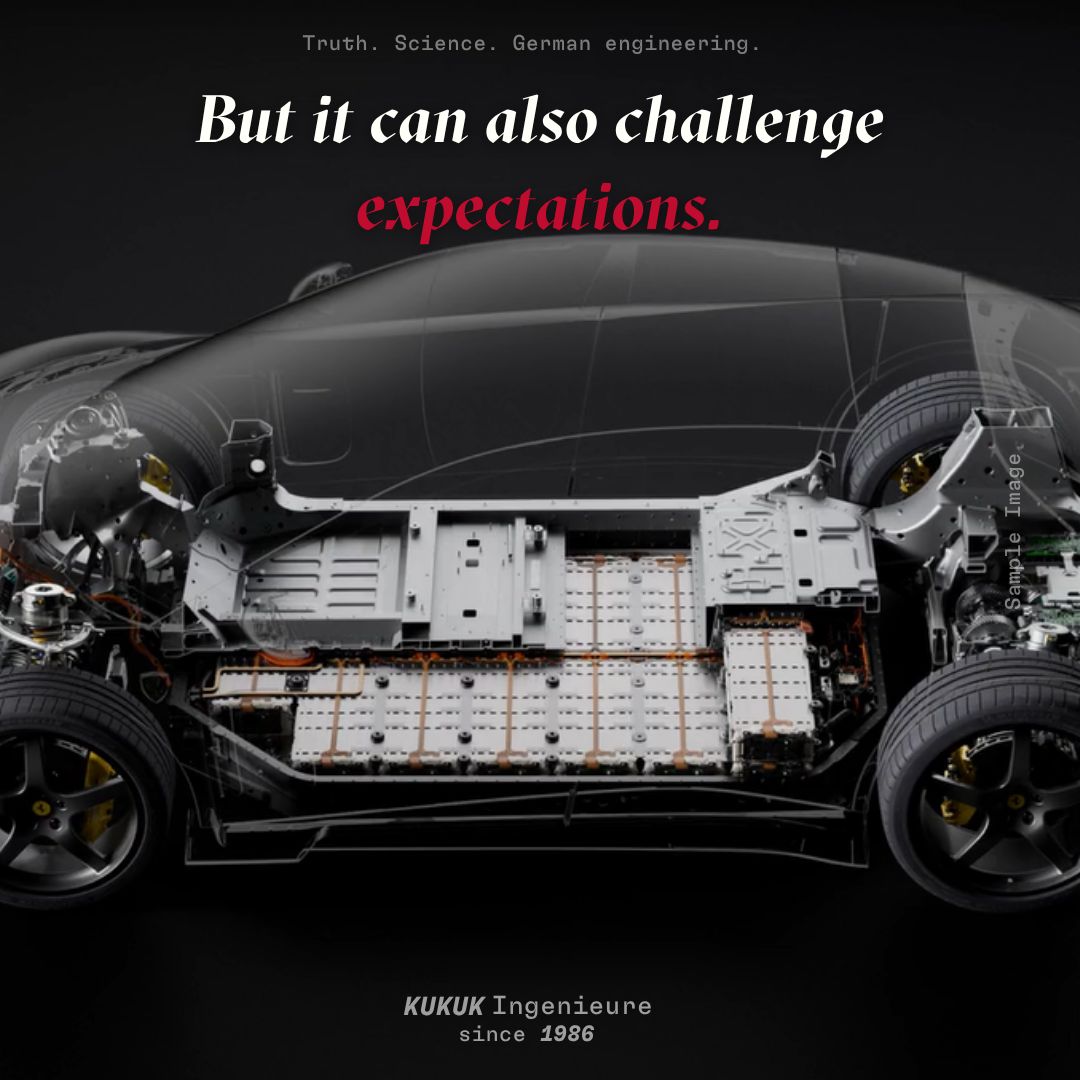
Automobile history has always been a history of innovation. New technologies, new materials, new drives and new design ideas were often considered critically at first. What matters is not whether something changes. The decisive factor is whether the change remains related to the identity of the object or the brand.
This also applies to collector vehicles.
A historic vehicle may be used, maintained, preserved or restored. But every decision changes his story. Professional repair is not automatically problematic. It becomes problematic if a change is not understood, not documented or later presented as untouched originality.
So the task is not to freeze history. The task is to keep history comprehensible.
What an independent audit can do
An independent review can help bridge the gap between narrative and technical reality.
Depending on the vehicle and the question, she can clarify:
- whether identity features are plausible
- whether documentation and physical vehicle fit together
- whether repairs, restorations or previous damage are detectable
- whether technical substance and claimed history match each other
- whether an assessment is based on a reasonable basis
- which open questions should be further examined before purchase, sale, insurance or dispute
KUKUK Ingenieure has been working since 1986 as an independent expert office for vehicle assessment, originality testing, damage analysis and technical due diligence. The positioning is conscious: evidence before acceptance, documentation before impression, clarity before quick certainty.
The real question behind Ferrari Luce
The most exciting question is not whether Ferrari can become electric. The most interesting question is:
How does a brand evolve without losing that, which is why people originally cared about it?
For collectors, this question can be transferred:
How to get a vehicle without falsifying its history?
The answer is not in nostalgia. And also not in blind faith in progress.
It is carefully classified.
An important vehicle is never just an object. It is material, technology, history, documentation, use, memory and market position at the same time. Those who separate, test and reunite these levels make better decisions.
This is exactly the real lesson from the Ferrari Luce.
People don’t just buy vehicles. They buy meaning. And meaning only remains resilient if identity is traceable.
FAQ
Why is the Ferrari Luce relevant for collector vehicles?
The Ferrari Luce is relevant because the discussion shows how strongly vehicles are evaluated by identity, origin and brand expectation. The same logic applies to collector vehicles: not only technology counts, but the credible connection between history, substance and documentation.
What does authenticity mean for a collector's vehicle?
Authenticity does not necessarily mean that a vehicle is completely untouched. What matters is which components are original, what has been changed, whether these changes are documented and whether the technical reality fits the claimed history.
Are documents sufficient for an originality check?
Documents are important, but not enough. They must be matched with the physical vehicle. Only the interaction of documentation, technical testing, historical research and, if necessary, scientific methods makes a reliable classification possible.
When does an independent assessment make sense?
An independent assessment is particularly useful before a purchase, before a sale, in insurance or financing issues, in unclear provenance, in originality claims or if previous damage, restorations or identity issues play a role.
Can a test guarantee the value of a vehicle?
No. A serious audit guarantees no value and no market reaction. However, it can provide technical clarity, comprehensible documentation and a better basis for decisions.