Evidence before impression. Substance before narrative.
The following content shows how KUKUK combines technical observation, documentation and experience to make important vehicle decisions more resilient.
Case requestAnantara Concorso Roma: What Is Visible and What Counts
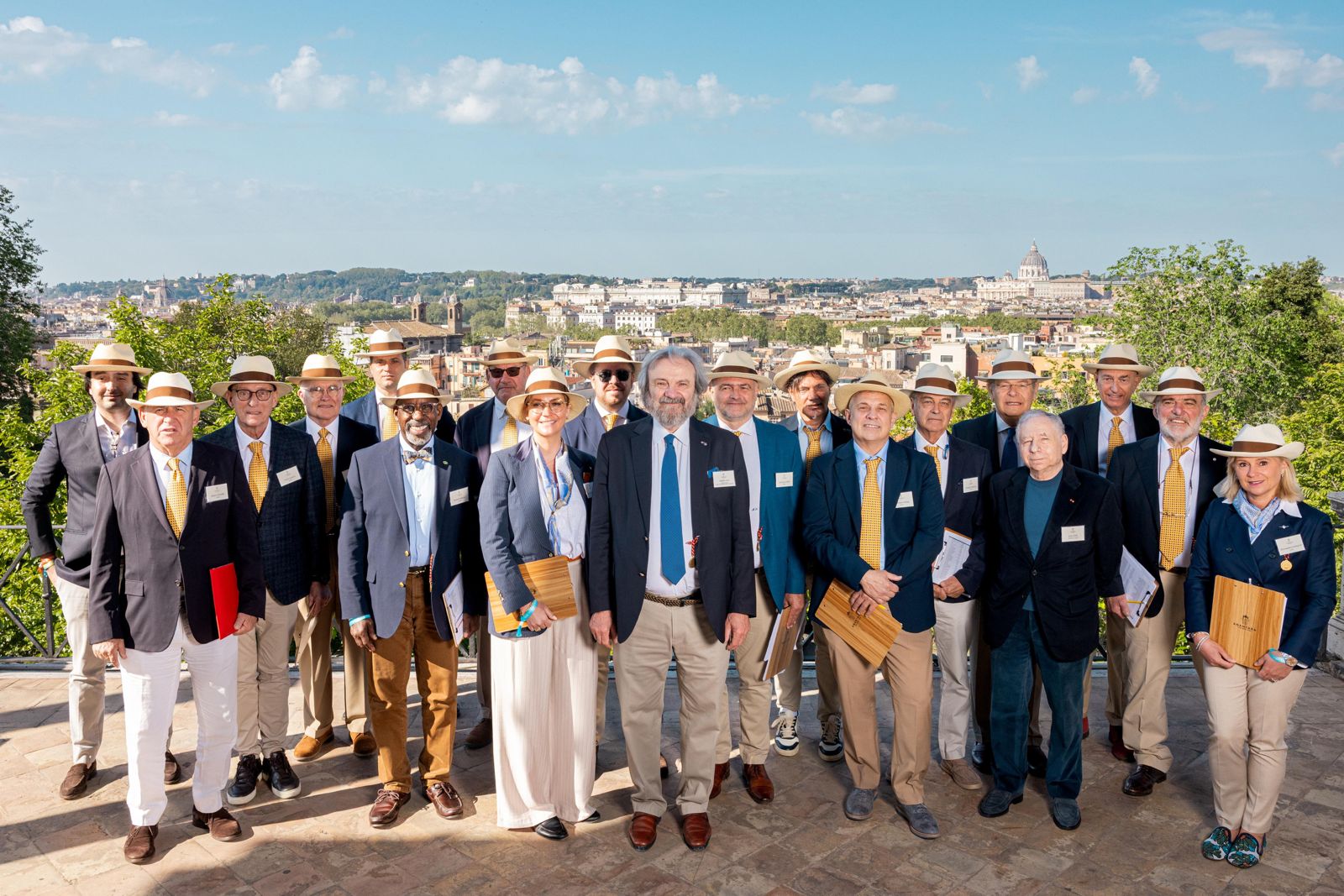
Lorenzo Ramaciotti – Honorary Judge
Jean Todt – Honorary Judge
Adolfo Orsi – Chief Judge
Miki Biasion
Martin Button
Pietro Cremonini’
Massimo Delbo
Giordano Diena
Alessandra Giorgetti
François Melcion
James Nicholls
Donald Osborne
Peter Larsen
Andrea Maieli
Paul Russell
Marcus Willis
Short answer
A concours shows the effect of a vehicle.
The technical reality must be independently verified.
The Concorso as a Stage
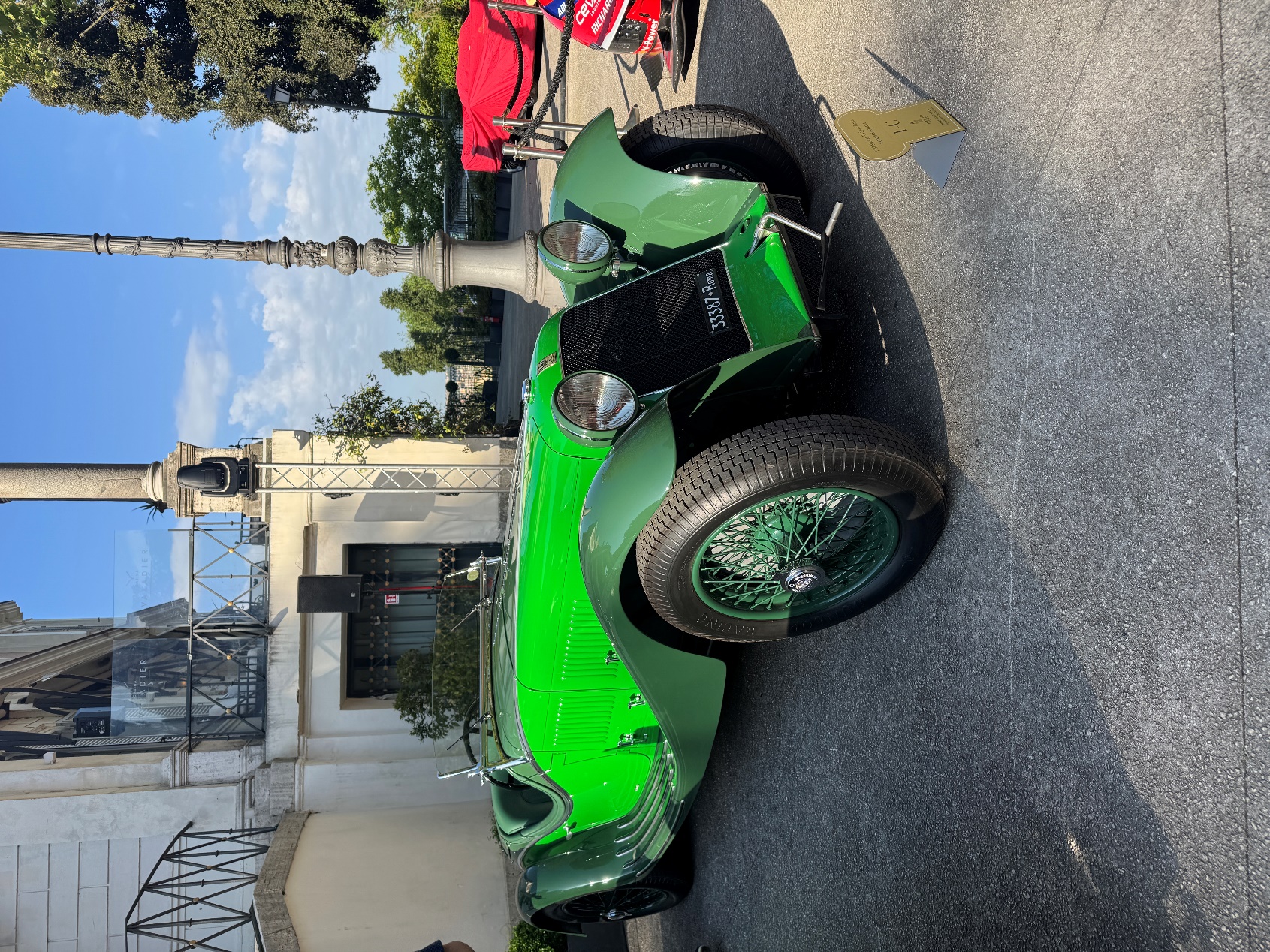
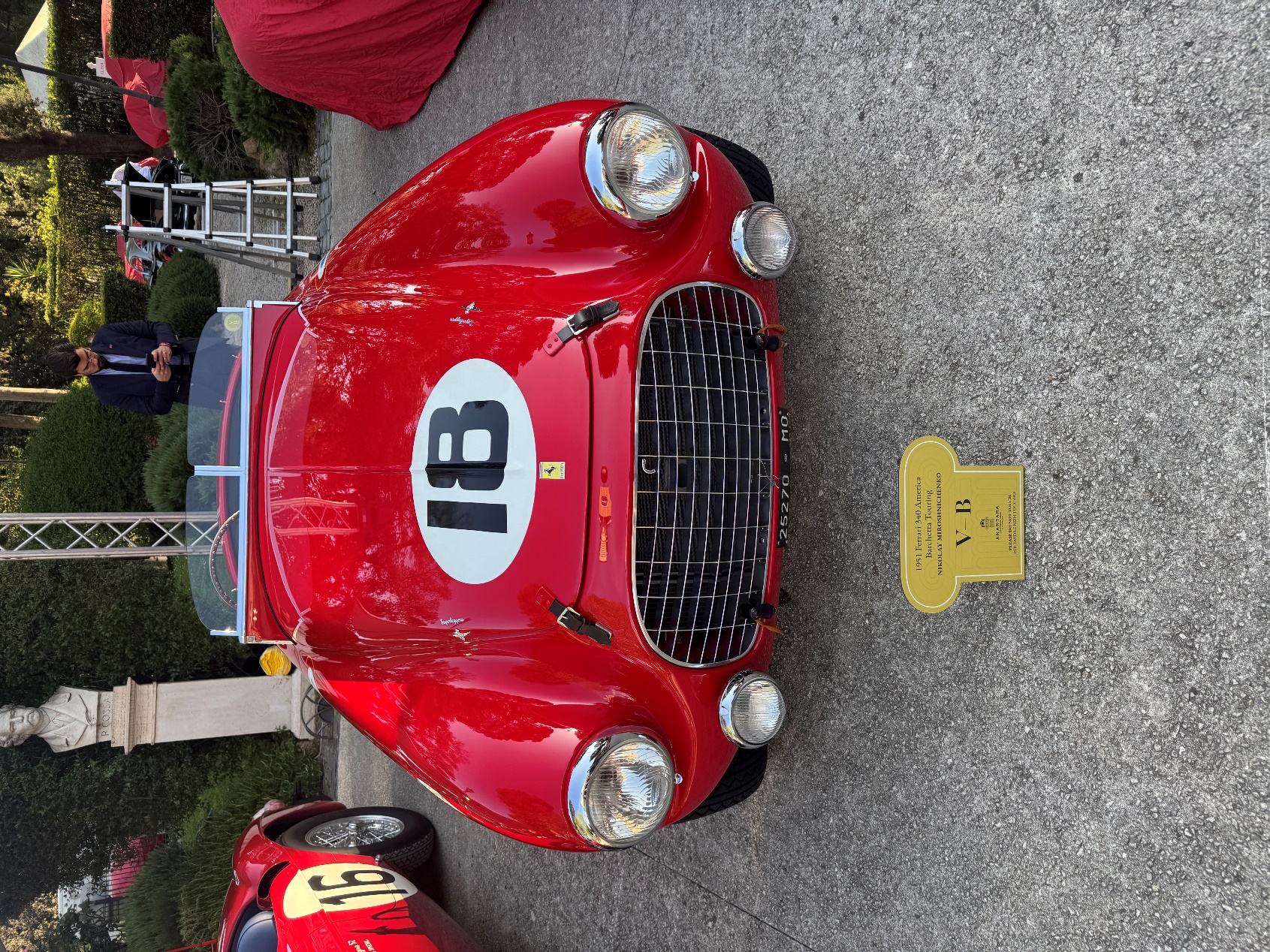
The Anantara Concorso Roma brings extraordinary Italian vehicles into a curated context.
The focus shall be on:
Design
History
Rareness
Overall impact
The winner of the “Best in Show”, the Maserati V4 Sport Zagato, exemplifies this combination of technical idea and historical significance.
What Evaluates a Concours
A concours primarily evaluates:
Visible condition
Presentation
Detailed quality
Historical classification
This perspective is relevant.
But it's not complete.
The Second Level: Technical Reality
Parallel to the visible plane there is a second
Material
Structure
Interventions over time
Technical plausibility
Especially for historically important vehicles, this level is crucial.
Why this is relevant
A vehicle may:
Convincingly presented
historically significant
and yet have a complex technical history
That is not a contradiction.
It is a reality in the collector market.
Because
Components are replaced
Vehicles are adapted
Documentation is not always complete
This is not unusual.
But it changes the valuation.
Jury work: structure instead of confirmation
The focus is not on confirmation, but on classification
What is documented
What is plausible
What remains open
“It was a great honor for me to lead a jury that I would describe as one of the most professionally competent, dedicated and collaborative teams I have ever had the privilege to work with.”
— Adolfo Orsi, Chief Judge
Complete security is rare.
Clean structure is crucial.
CONCLUSION
A concours shows how a vehicle works.
A technical analysis shows what it is.
Impression does not equal evidence.