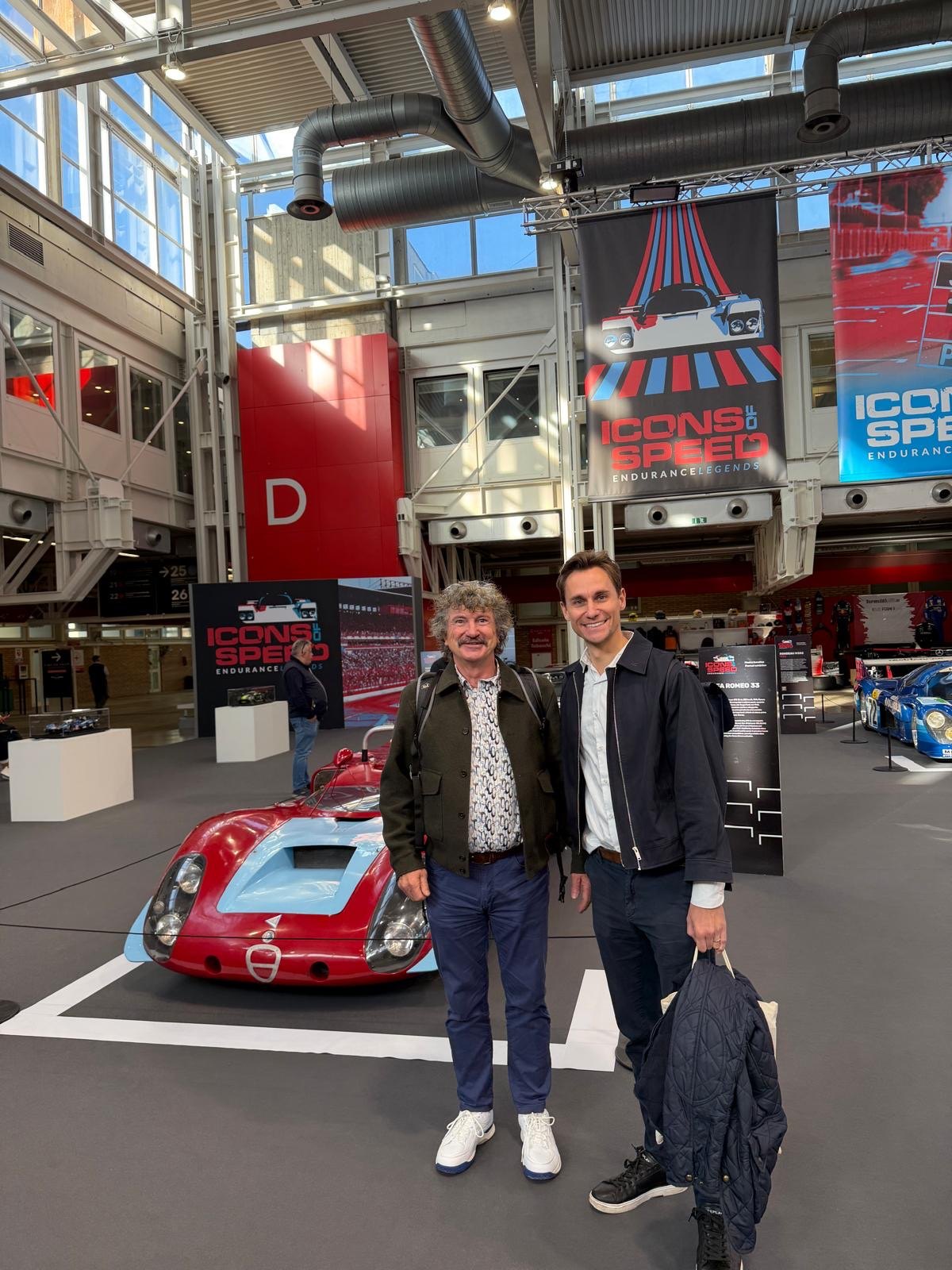
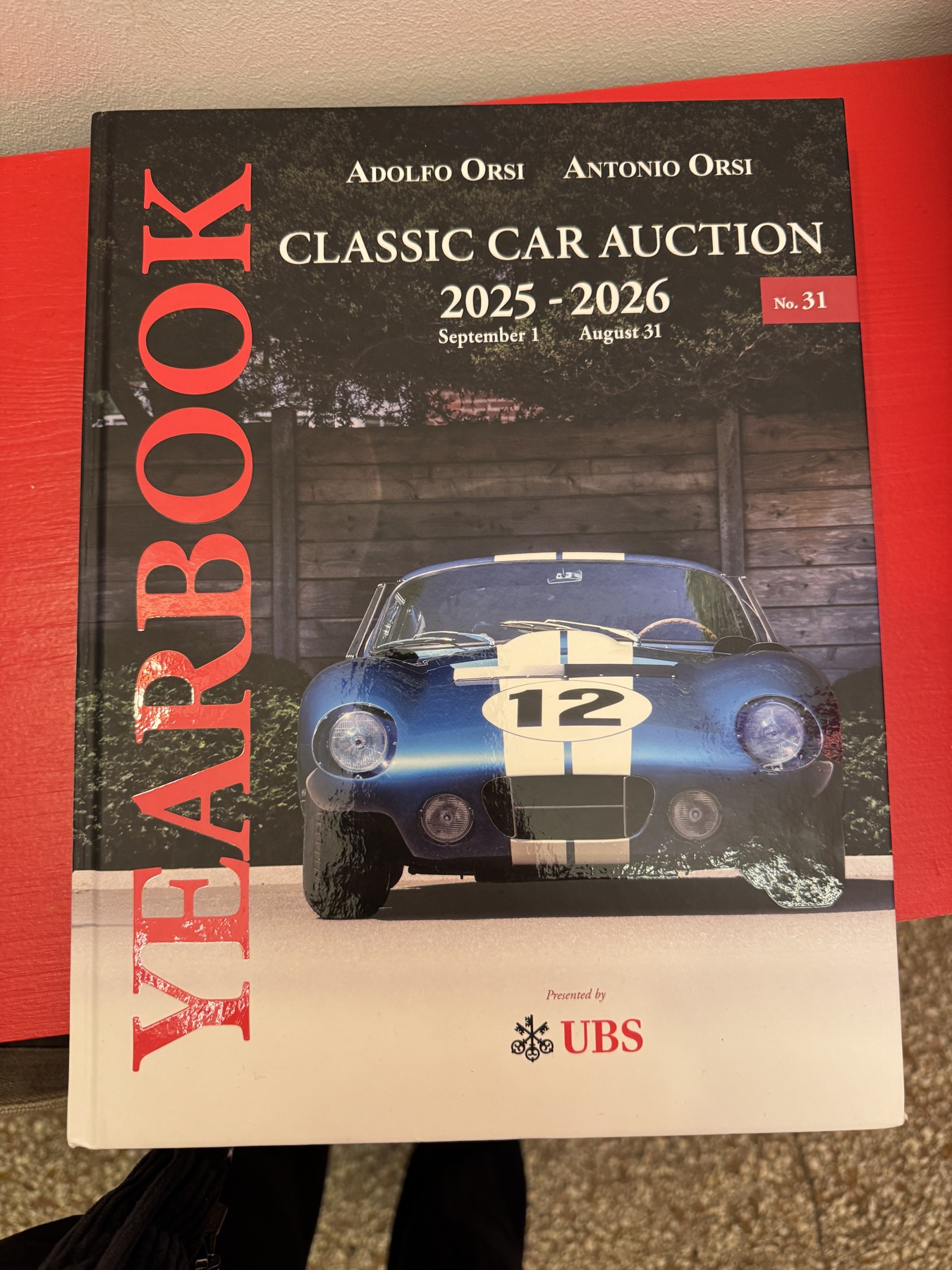
A regular date: the Classic Car Auction Yearbook
One highlight was Adolfo Orsi’s annual presentation of the Classic Car Auction Yearbook. The photographed “General Recap” slide compares the 2025/2026 season with 2024/2025 and shows significantly higher turnover in the auctions covered.
Reported turnover in euros rose from €1.981 billion to €3.048 billion, an increase of approximately 54%. The number of cars sold rose from 8,533 to 9,030, an increase of 497 cars or approximately 6%. Turnover in the recorded auctions therefore grew much faster than the number of cars sold.
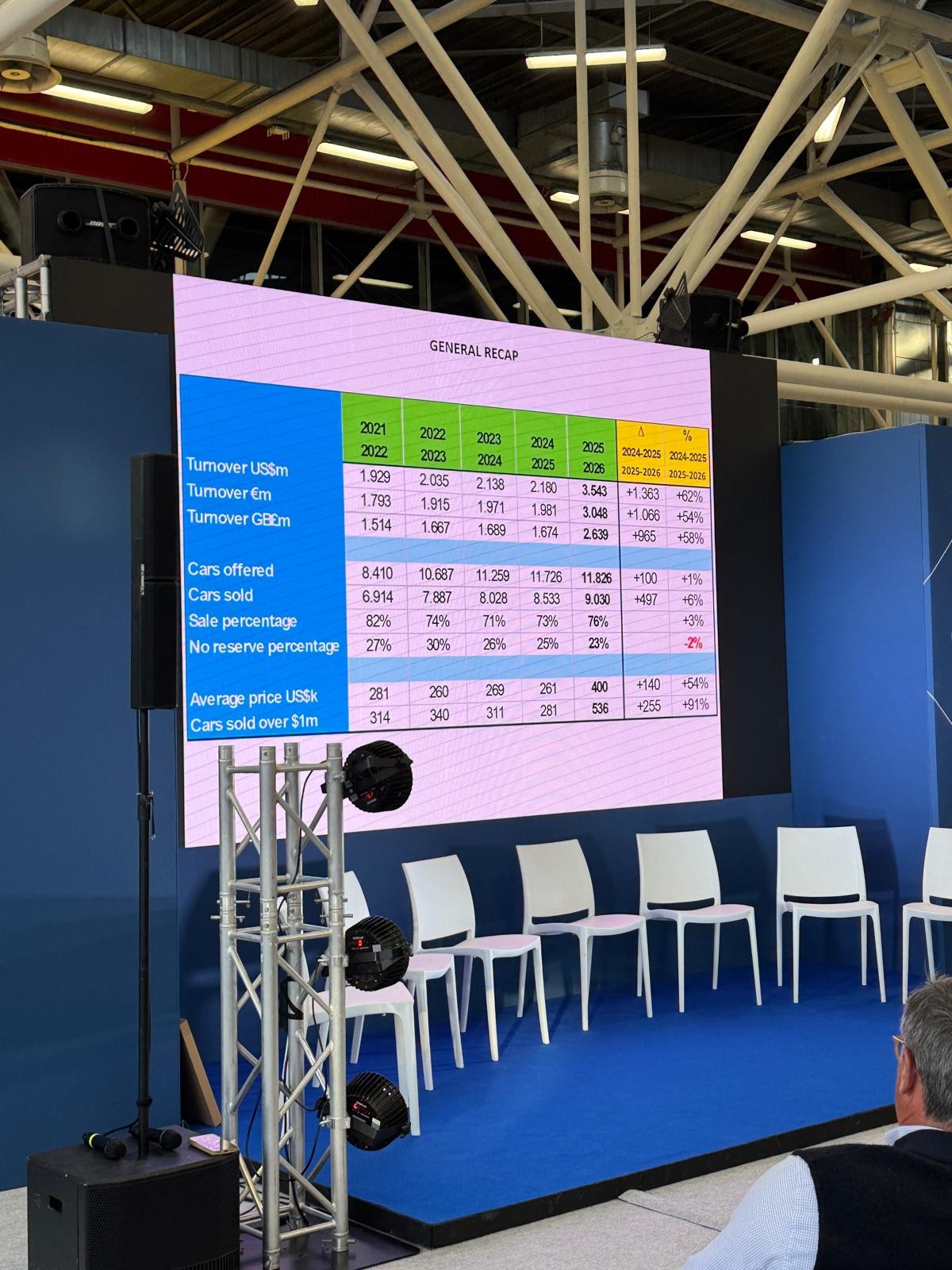
The slide shows a sale rate of 73% in the previous season and 76% in the current one, a rise of three percentage points. Sales above US$1 million also increased from 281 to 536, or approximately 91%.
These figures do not establish that all classic cars rose in value. The mix of cars and price categories sold affects total turnover. The auctions covered also represent only part of the historic vehicle market. For an individual car, identity, history, surviving material and condition remain decisive.
The 31st edition of the Classic Car Auction Yearbook is by Adolfo and Antonio Orsi. Its cover defines the reporting period as 1 September 2025 to 31 August 2026. The introduction presents Antonio as a coauthor for the first time.
The note on page 14 clarifies the dataset: the authors record a selection of significant results rather than every lot offered. Certain custom cars and many similar mass production cars with limited historical interest are excluded. Totals can therefore differ from the auction houses’ official results.
The turnover breakdown adds context: RM Sotheby’s accounts for approximately 28% and Bring a Trailer for approximately 24% of the US dollar turnover in this dataset. Together, that is about 52% of the recorded total. These are turnover shares within the selection, not shares of the entire vehicle market.
Dinner after the presentation
The highlight also includes dinner together afterwards. Sitting down together after the programme is a welcome part of the visit. These evenings leave time for personal encounters that might otherwise be limited to a brief moment between the stands.
Regular dates like these are part of what Bologna means to us. The cars give people plenty of reasons to talk. The people behind them make a walk around the halls a personal experience.
Colour and younger cars: Niclas’s impression
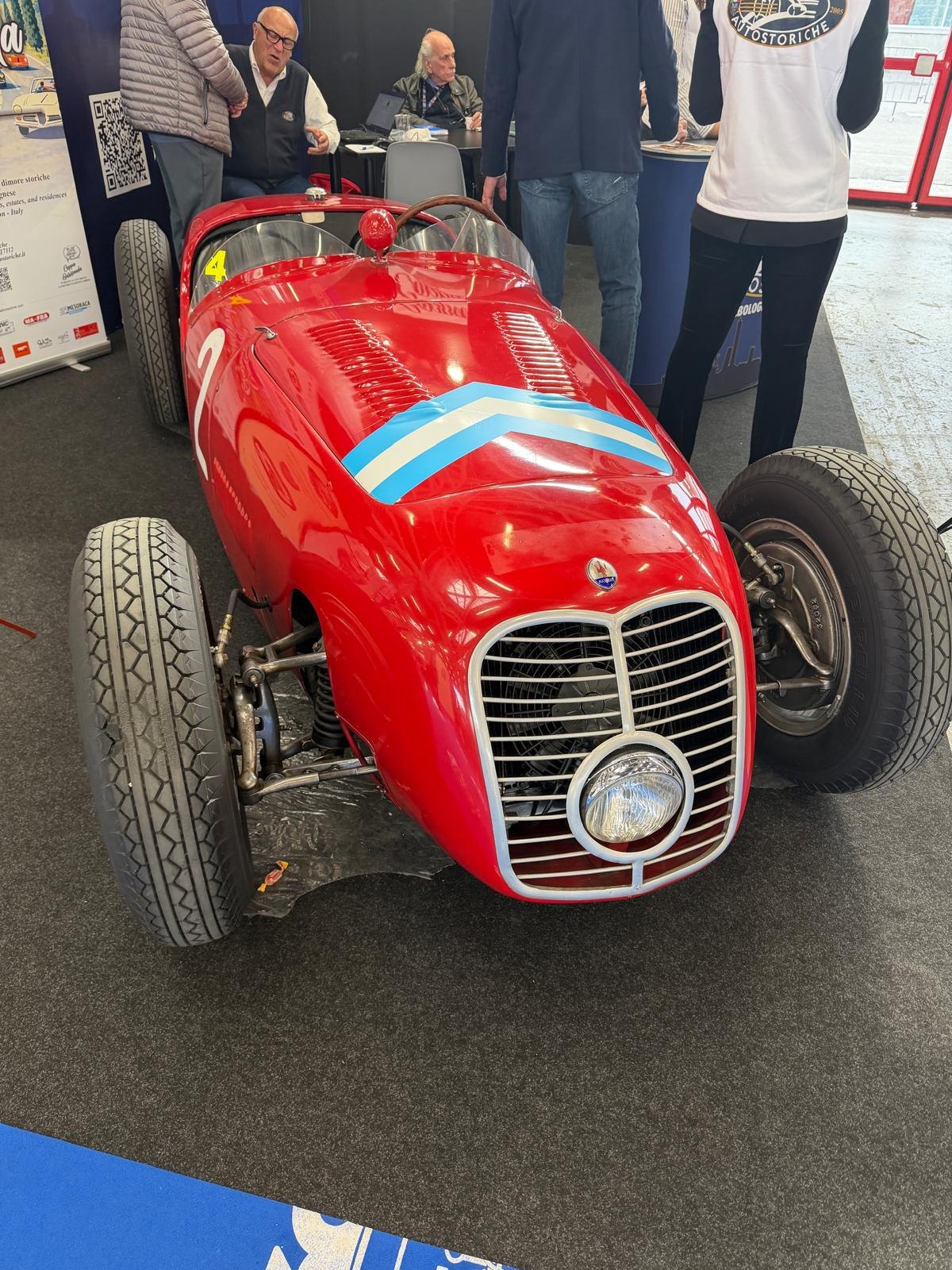
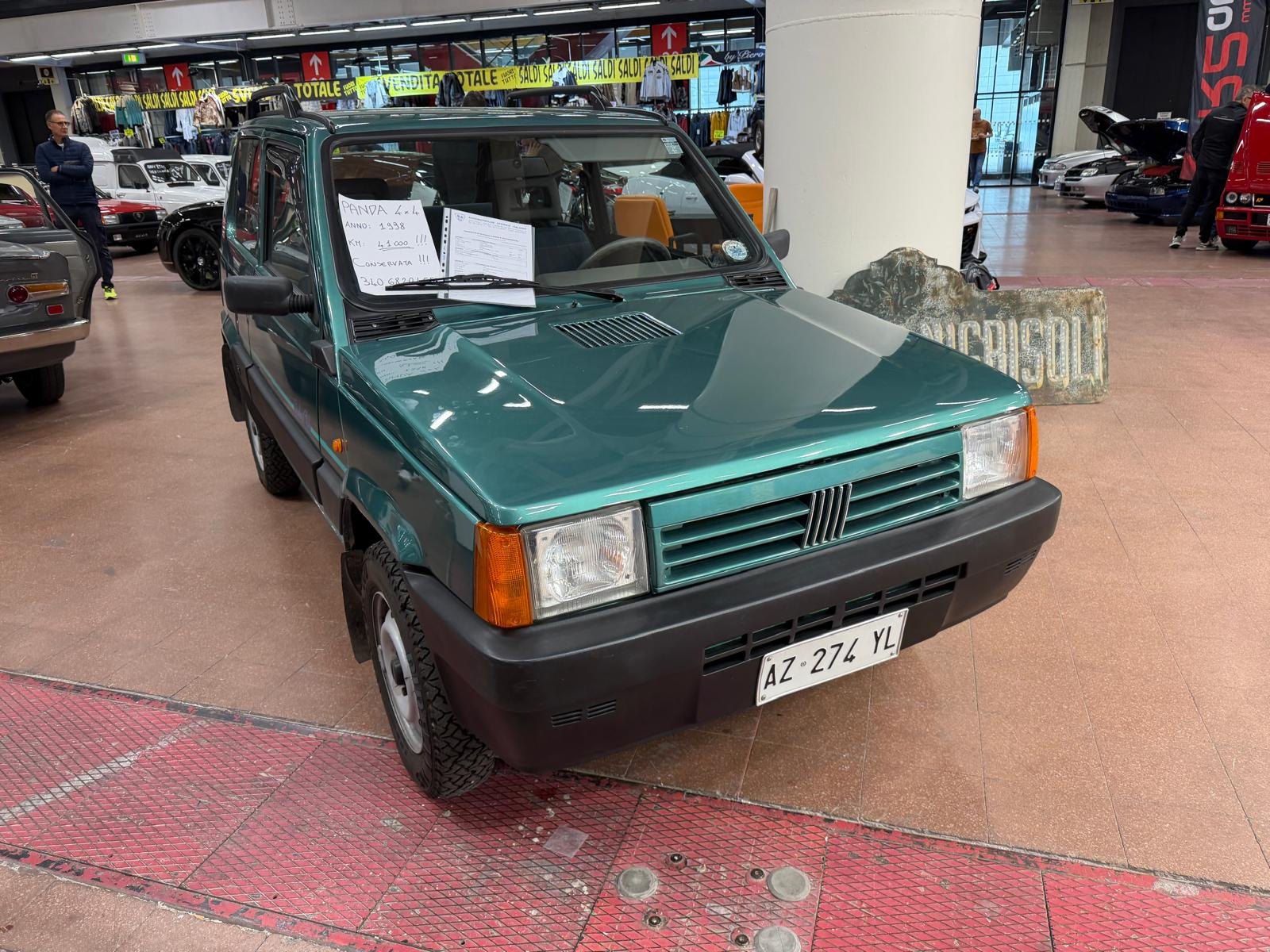
Another small highlight for Niclas was the variety of colours among the cars offered by Italian dealers. Our photographs from around the halls capture very different accents: a red racing car, a green Fiat Panda and the long lines of an open Lancia.
Younger cars also caught Niclas’s attention during his walk around the stands. This is his personal impression of the cars on display. The available recap slide does not show a precise change in the average year of manufacture, so we do not present that observation as a verified market statistic.
Looking closely at the details
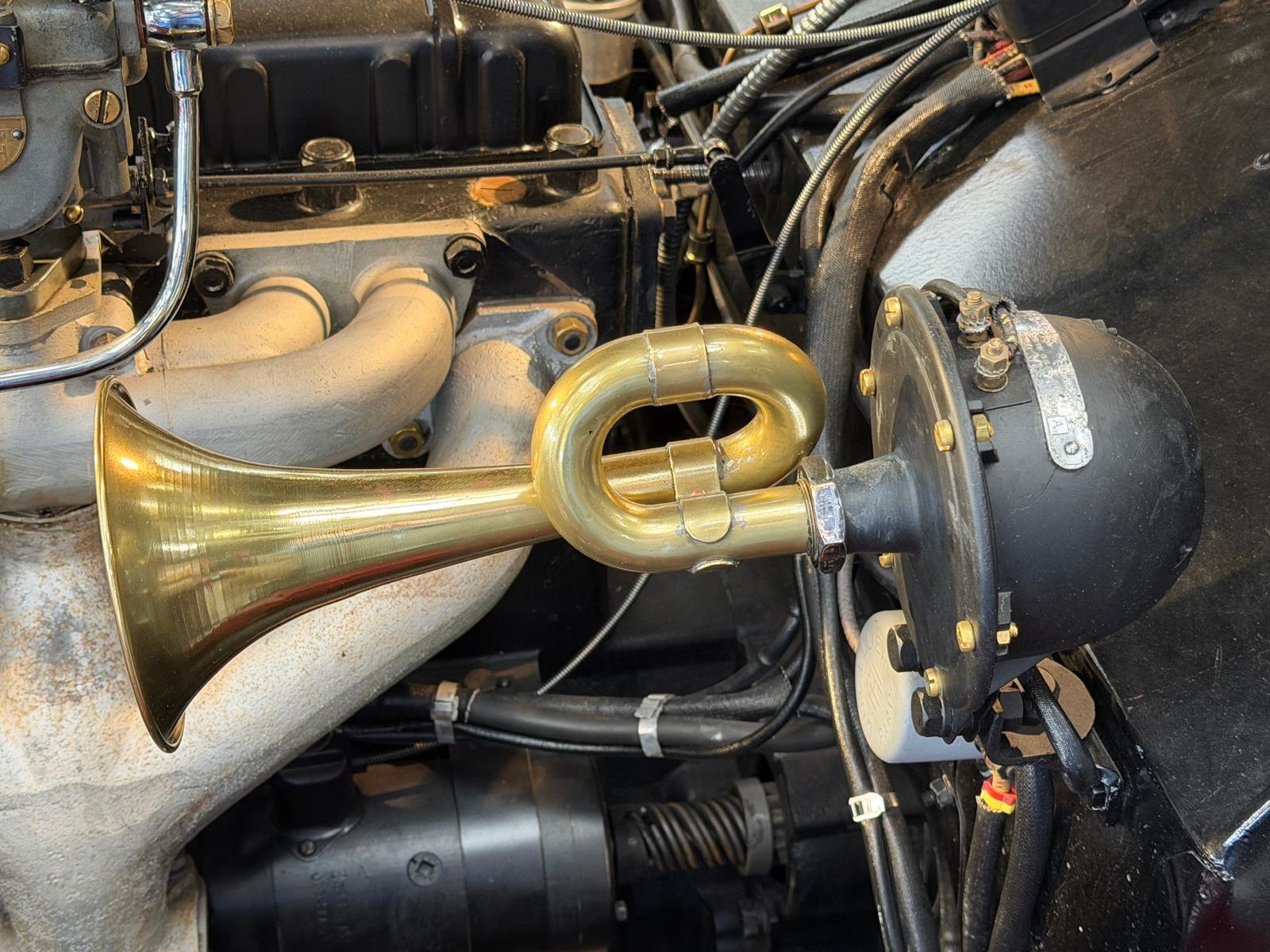
Among the wider views is a close photograph of a brass horn. Details like this draw attention to materials, fixings and workmanship. There is plenty to discover beyond a car’s overall shape.
For us as engineers, this attention is part of working with historic vehicles. An interesting detail begins with a question. What does it do? How was it made? How does it fit the vehicle and its documented history? Good answers bring observation and evidence together.
Encounters between the stands
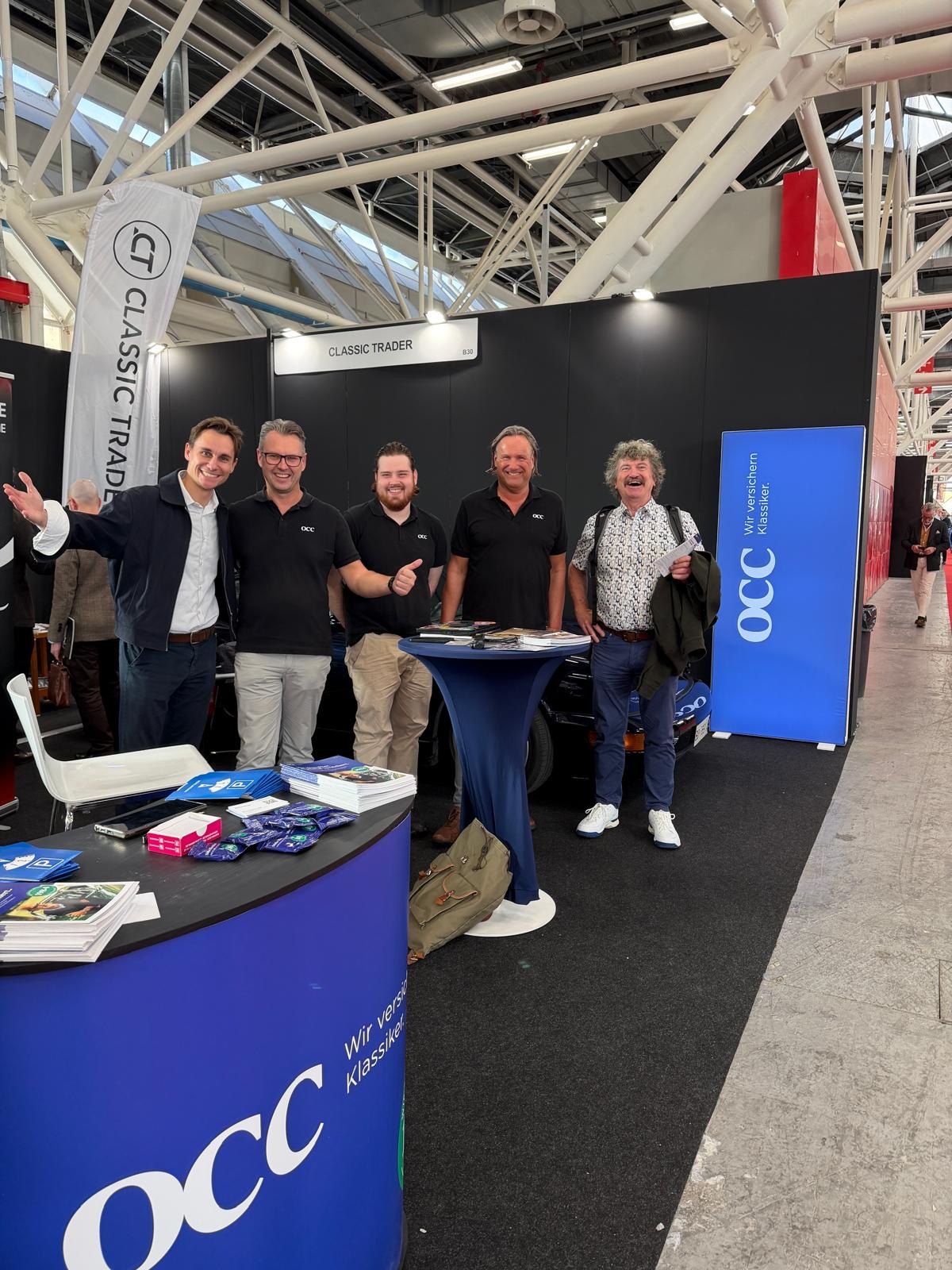
A photo with OCC at the Classic Trader stand is another of the first impressions Niclas and Klaus have shared. It captures the personal side of the visit: meeting people, recording a moment and sharing an interest in historic cars.
Auto e Moto d’Epoca took place at BolognaFiere from 22 to 25 October 2026. These photographs capture some of the cars and encounters we wanted to share from our visit.
Which car or detail in our photographs would make you stop? We would love to hear from you.
Source and context
Figures are taken from the photographed “General Recap” presentation slide, comparing 2025/2026 with 2024/2025. Changes in the displayed amounts and car counts are rounded; sale rates are compared in percentage points. Observations about colour and younger cars are Niclas’s personal impressions. A precise average production year statistic is not available for this article. Additional book sources: Classic Car Auction Yearbook 2025/2026, 31st edition, cover and pages 5 and 14. Turnover shares refer to the selected dataset shown there.